
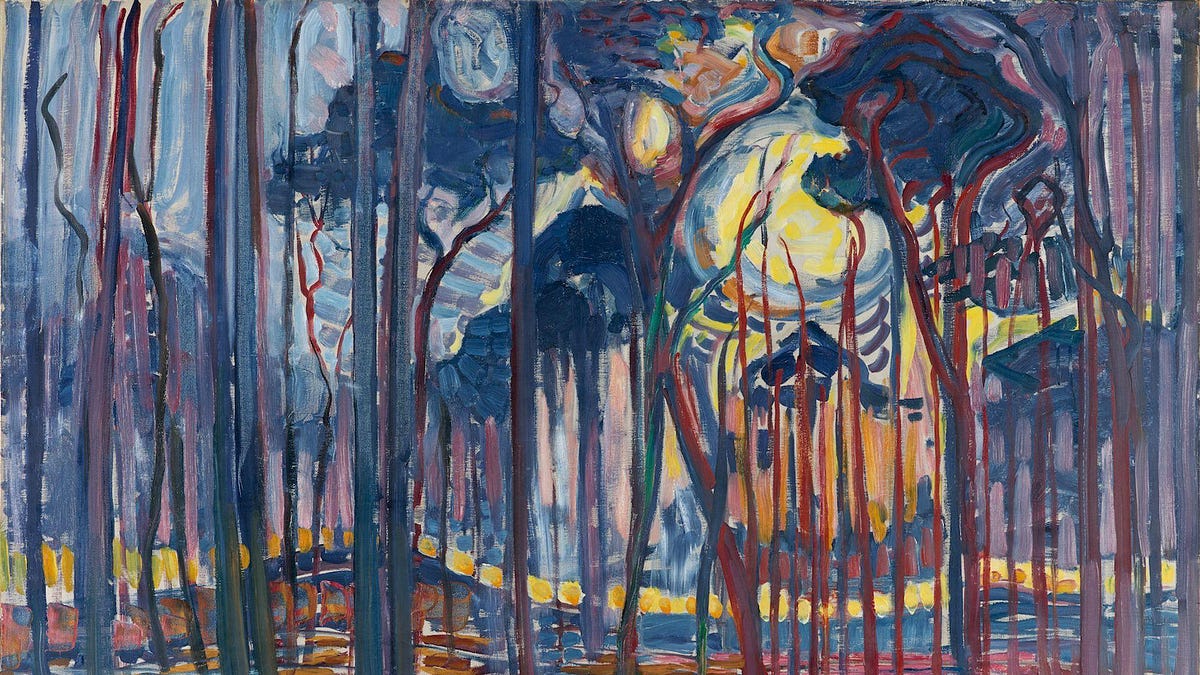
On a drive across the island, the author tunes in to a Swedish P2 radio mixtape of folk music from around the world, and his nine-year-old daughter Maud closes her eyes, saying the music makes her see little films. Slowing the car to a walking pace beneath beech trees, he finds the forest transformed by a Sámi joik recorded in Moscow after the Soviet collapse. The trees look otherworldly, and he asks how music can alter the world this way, and why patterns of tones, which are almost pure abstraction, should move us at all.
He notes that psychologists seem confused as well. One dominant view holds that music works much like painting, exploiting a sensitive auditory system that helps us judge distance, space and social cues. Sad speech, for example, often contains minor thirds, and our brains pattern-match that interval as sadness. On this account, music hacks our biology to produce experiences that travel far beyond the landscapes of outside reality.
That story is complicated by evidence that perception depends heavily on the culture and music we grow up with. Most studies draw on Western university students, an unrepresentative sample. When researchers ask groups such as the Kalash of northwestern Pakistan, the results can contradict the theories. The Kalash rate minor chords as positive and describe major chords as strange.
The author concludes that music cannot be explained as simply pushing particular emotions through fixed sound triggers. Its power seems to depend on context, learning and the listener's inner world, which is what makes a familiar forest suddenly feel unfamiliar.
Source: Hacker News · Summarized by HeadlinesBriefing