
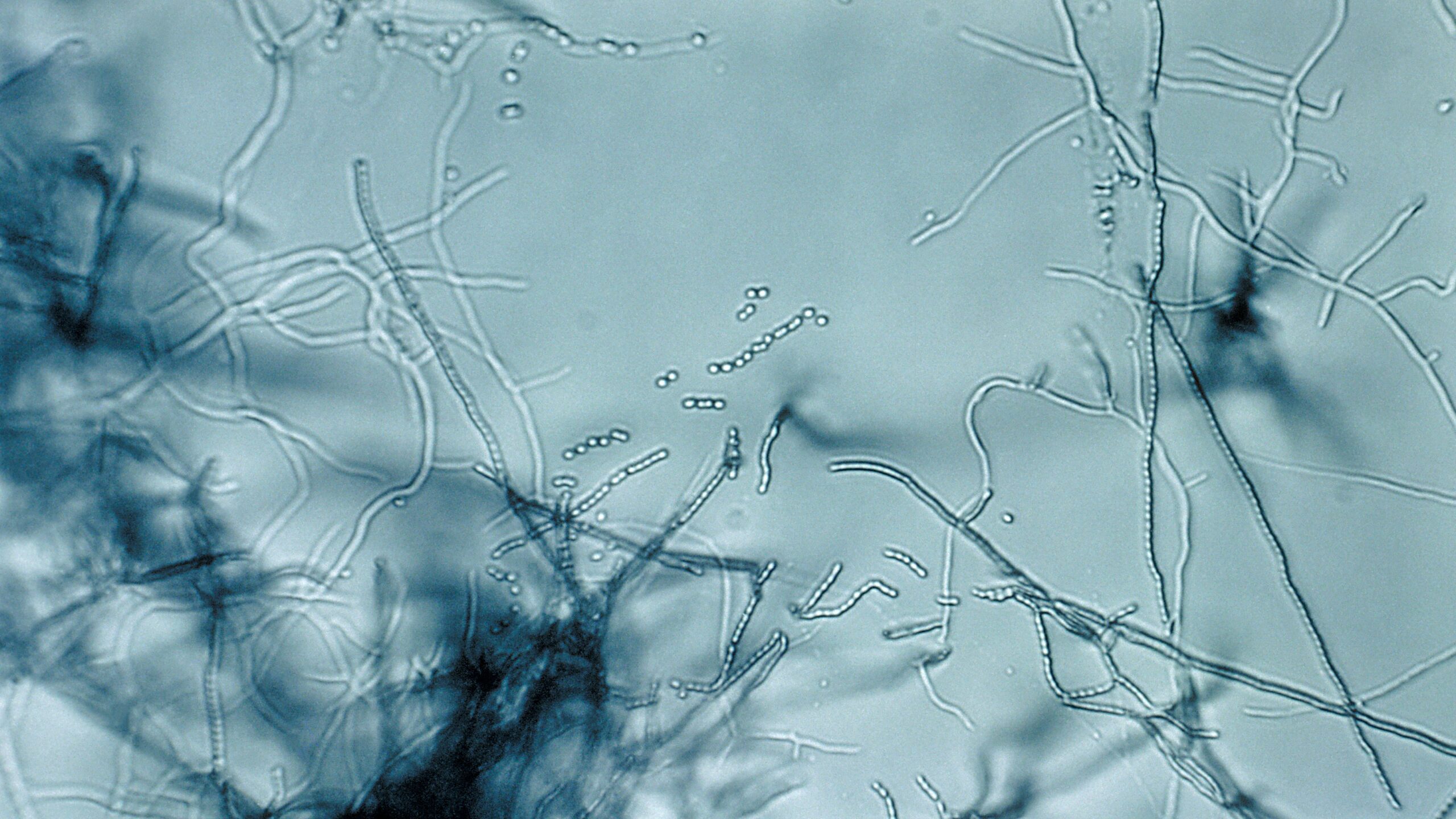
Researchers led by Eric Brown at McMaster University have identified a massive gene block in soil bacterium Streptomyces that produces four distinct molecules targeting bacterial biotin synthesis. The discovery, published in Nature, marks the first natural “megacluster” that encodes a coordinated assault on an essential metabolic pathway, offering a new angle in the fight against resistant pathogens.
The four compounds include three antibiotics—stravidins, acidomycins and dapamycins—each disabling a different enzyme in the biotin‑making route, while a fourth molecule, α‑Me‑KAPA, mimics a biotin precursor to produce a dead‑end product. Laboratory tests and mouse models showed the quartet killing diverse bacteria more effectively together than singly, hinting at a built‑in synergy that could slow resistance.
The find revives genome‑mining strategies that previously chased single biosynthetic clusters, suggesting that nature already designs combination therapies. If researchers can refine these four agents for human use, they may deliver a potent, resistance‑proof regimen. The work underscores that expanding the search to megacluster‑scale genetics could replenish the dwindling antibiotic pipeline.
Genentech’s microbial sciences chief Steven Rutherford called the study “an exciting advance in efforts to restock the antibiotic arsenal,” noting that the natural synergy may be harder for microbes to outmaneuver. Commercial development will still require optimization, safety testing and costly trials before patients see a new drug.
Source: Ars Technica · Summarized by HeadlinesBriefing