
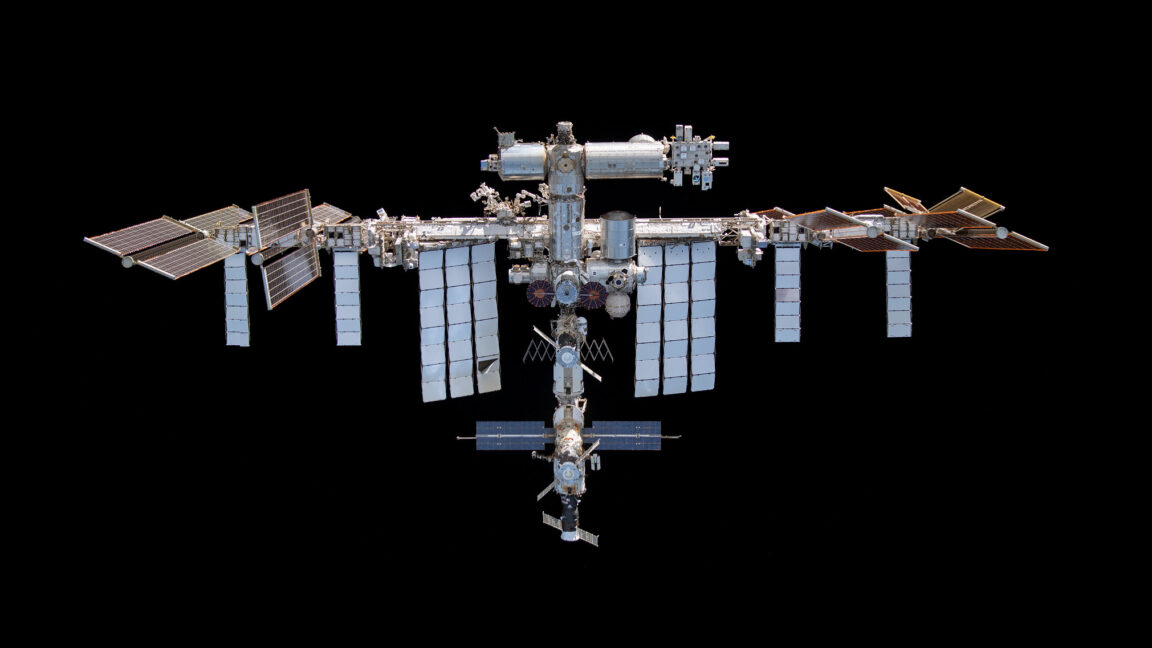
NASA ordered four crew members into SpaceX’s Crew Dragon lifeboat after persistent air leaks in Russia’s Zvezda module forced a temporary safe haven. The incident, unfolding Friday, highlights the fragility of the space station’s aging infrastructure. Crews from both agencies worked urgently to address the issue, but Roscosmos’ repair efforts were paused mid-task to reassess data. The PrK transfer tunnel, a critical but isolated section of the station, has leaked air for years, with microscopic cracks resisting permanent fixes. While Roscosmos insists there’s no threat to safety, the repeated failures underscore the challenges of maintaining a decades-old orbital habitat.
The leak’s persistence stems from Roscosmos’ inability to seal the PrK chamber, a transfer tunnel used for cargo and crew rotations. Engineers have applied Germetall-1 sealant multiple times, but cracks reappear. This time, the agency paused repairs to gather more measurements, delaying a permanent solution. NASA’s decision to evacuate the US crew into the Crew Dragon—manned by Jessica Meir and Jack Hathaway—reflects a cautious approach. The crew had been in the Dragon since February, serving as a backup until their September return. Russian cosmonauts Sergey Kud-Sverchkov and Sergei Mikayev remained on the other side of the station, working on the leak. The 200-foot distance between the safe haven and the repair site added urgency to the coordination.
The situation raises questions about the long-term viability of the ISS. With Roscosmos and NASA struggling to resolve the leak, the station’s operational lifespan could be at risk. While the agency claims pressure remains stable, the repeated leaks suggest systemic vulnerabilities. The reliance on emergency protocols like the Crew Dragon as a lifeboat underscores the need for proactive maintenance. For now, the crew will remain in the Dragon until the repair is finalized, a reminder that even in space, safety depends on the ability to adapt to unforeseen challenges. The incident also highlights the complexities of international collaboration, where a single module’s flaw can disrupt operations for all aboard.
Source: Ars Technica · Summarized by HeadlinesBriefing