
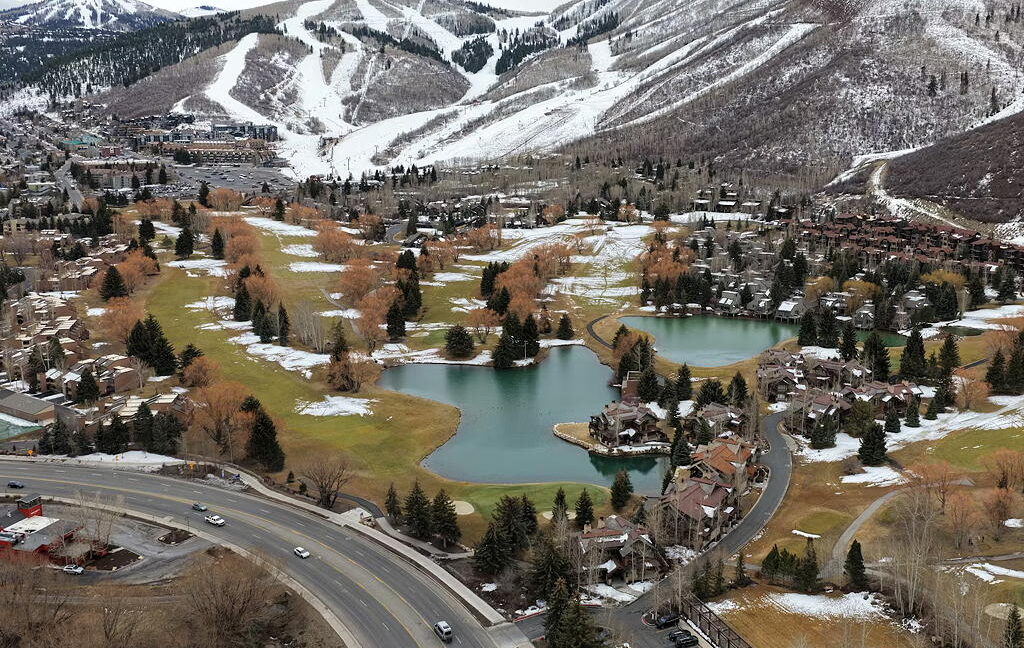
Washington state faced catastrophic flooding in December as unprecedented rain melted snowpack, while the National Snow and Ice Data Center reported snow cover across the Western U.S. hit record lows compared to 2001–2025 averages. January brought milder temperatures but severe dryness, with February’s precipitation nearly normal but temperatures soaring 5–7°F above historical norms. This triple whammy—two warm months and one dry—has left snowpack critically depleted, raising alarms for water-dependent industries.
Water managers in Wyoming and Washington warn that 2026 could see reduced allocations for cities, farms, and industries under the Doctrine of Prior Appropriation. Junior water rights holders face tough choices: cut crop yields or absorb higher costs from fertilizer and transportation disruptions tied to the ongoing Iran war. The Colorado River Basin is particularly vulnerable, with the U.S. Bureau of Reclamation projecting Lake Powell’s levels could drop below the Glen Canyon Dam’s minimum power pool elevation by December 2026, halting hydropower generation for millions.
The Glen Canyon Dam’s inability to produce electricity would disrupt energy grids across seven states, exacerbating existing power shortages. Meanwhile, agricultural sectors reliant on irrigation may struggle as water scarcity intensifies. Experts stress that climate patterns and policy responses will determine whether 2026 becomes a watershed year for water management.
Water rights holders and hydroelectric power systems hang in the balance as the West confronts a snow drought of historic proportions, with ripple effects on agriculture, energy, and regional stability.
Source: Ars Technica · Summarized by HeadlinesBriefing