
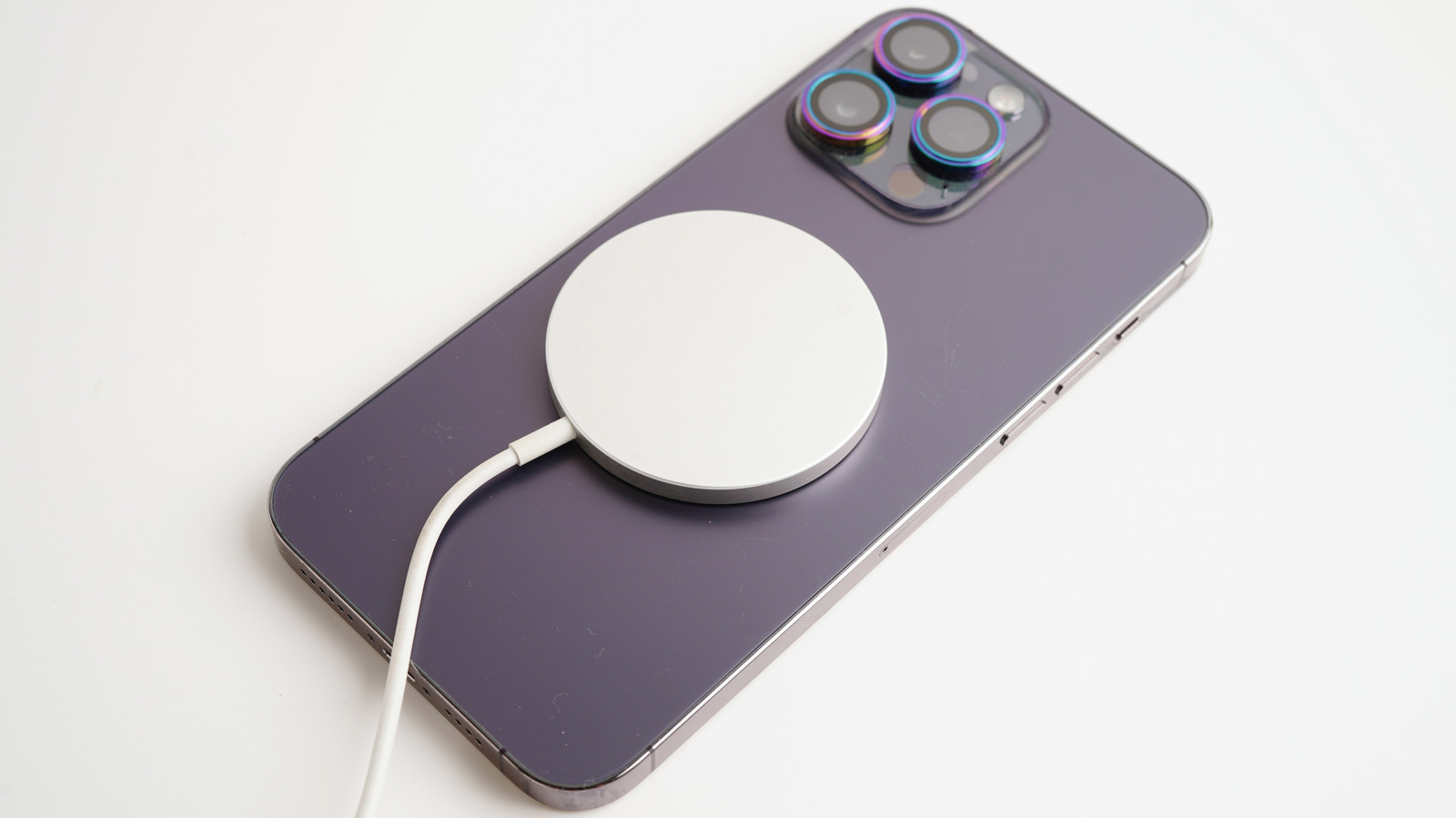
Apple, Samsung and Google have all put wireless charging on their flagship phones, turning the convenience of a simple pad into a standard feature. Yet the technology trades ease for waste. A 2020 One Zero study found charging a modern smartphone via induction consumes about 21Wh, roughly 40 % more than the 15Wh needed with a cable. The pad’s magnetic field also generates noticeable heat.
The extra six watt‑hours per charge may seem trivial, but multiplied across billions of devices the loss becomes massive. Annual energy use jumps from 5.5 kWh to 7.6 kWh per phone, and with roughly 30 % of the 7.6 billion smartphones charging wirelessly, the world wastes about 4,830GWh globally a year—enough power for hundreds of thousands of homes. That energy could instead power refrigeration.
Induction charging loses 20‑30 % of power to heat and misalignment, and cheap pads often lack temperature sensors, raising battery‑life and safety concerns. While standards like MagSafe and Qi2 improve coil alignment, the physics of magnetic transfer keep wireless efficiency behind wired. Consumers should weigh convenience against higher electricity bills and potential device wear significantly.
Source: Engadget · Summarized by HeadlinesBriefing