
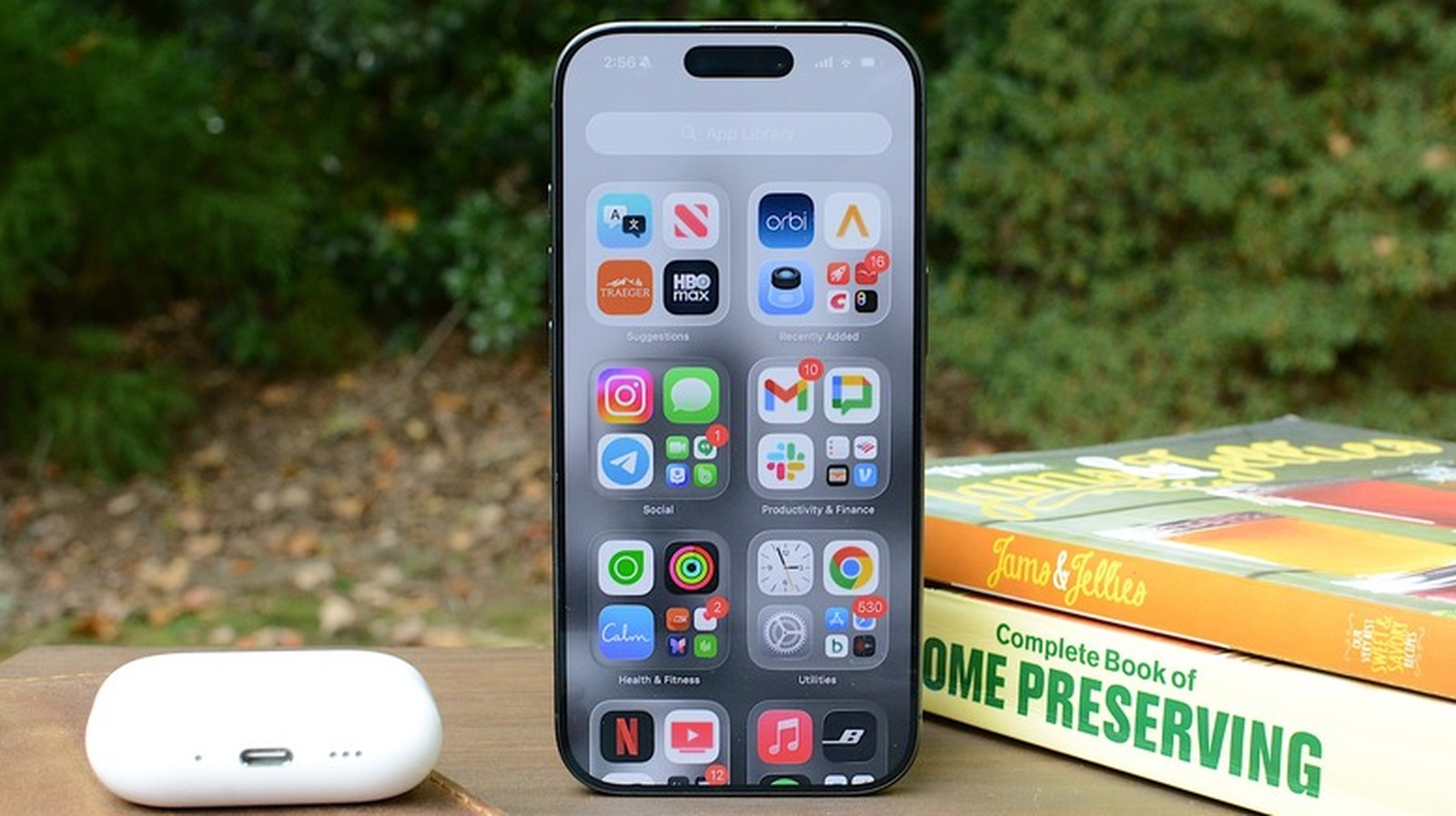
Due to "sharply inflated" memory costs, global smartphone prices are up an estimated 20 percent since the start of the year, and phone makers are passing those costs on to consumers. As a result, people are holding onto their devices longer or turning to refurbished phones. Extending device lifespans may be a sensible response, but one major barrier stands in the way: tech companies largely do not offer affordable battery replacements.
Apple currently charges $129 for an out-of-warranty battery replacement on the newest Pro model, and $89 for an older base model such as the 2020 iPhone 12. Samsung's prices are similar, with most reports suggesting customers pay between $99 and $129 when going directly through the company. Both companies offer battery swaps through extended warranty plans, but those must be purchased shortly after buying the device. iFixit is a popular do-it-yourself alternative, though most modern phones are not designed to be easily repaired by users.
Apple has not always charged so much. In 2018, the company dramatically reduced the price of out-of-warranty battery swaps to $29 in the US as part of the fallout from its iPhone throttling controversy. Battery replacements reportedly jumped from roughly 1 to 2 million per year to 11 million in 2018. Then-CEO Tim Cook later said some customers were taking advantage of the reduced pricing instead of upgrading, which contributed to a revenue forecast cut. Cook, however, attributed most of the shortfall to an economic slowdown in China and the US-China trade war.
Phone prices have climbed steadily since 2018 and sharply in recent months. Apple raised the price of its older iPhones, including the 17, by $100 on the day it announced new models, and Samsung hiked most of its S26 phones by $100 at the start of the month. Even midrange models such as Samsung's S26 FE, priced at $700, cost more at release than their predecessors while offering only modest upgrades. With consumer prices up about 34 percent since January 2018, American purchasing power has declined even as average hourly earnings have risen.
Source: Engadget · Summarized by HeadlinesBriefing