
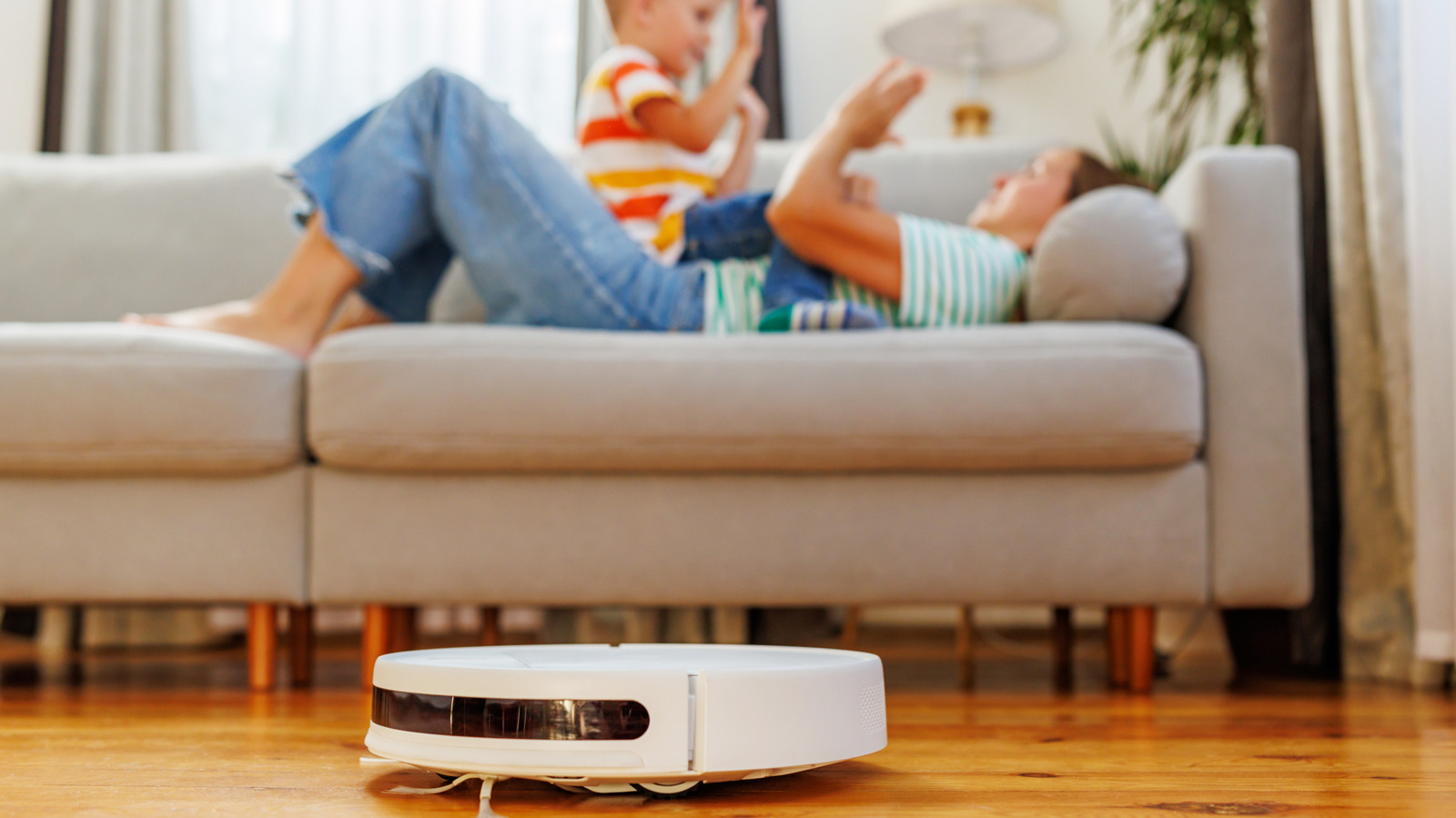
Clean floors shouldn't come with unclear rules about your personal data. Depending on the model, a robot vacuum cleaner can potentially generate floor maps, record cleaning histories, watch you take a bathroom break, or record your private conversations. Top vacuum models with the most features have various ways to process what's happening inside your home; some include microphones and/or remote video viewing to act as little round drones low-riding on 360-degree wheels.
Cloud connectivity introduces another problem. Robot vacuums that let you check their progress while away from home may communicate through the manufacturer's servers. The amount of information they collect and where it goes depends on the model and varies between products. Generating a floor map or video is a useful feature, but both are capable of revealing information you'd rather not share with complete strangers.
The privacy risks aren't hypothetical. Sammy Azdoufal kickstarted a recent robot vacuum controversy when trying to remotely control his DJI Romo vacuum. He accidentally became the commander of roughly 7,000 robot vacuum cleaners across the world instead of just his own. According to DJI, it resolved the backend permission issue by issuing two updates on February 10, 2026. The failure was in the security checks, which is something a complex password will never fix.
A shiny new robot vacuum may send information to its manufacturer throughout everyday routines, including cleaning activity, floor maps, detected objects, and Wi-Fi network details. There's no clear winner among privacy-friendly models, but consumers should pore over privacy policies prior to purchase and look for on-device navigation and image processing features. Mandatory cloud features should be a deal-breaker, and "no camera" does not mean "no data collection."
Source: Engadget · Summarized by HeadlinesBriefing