
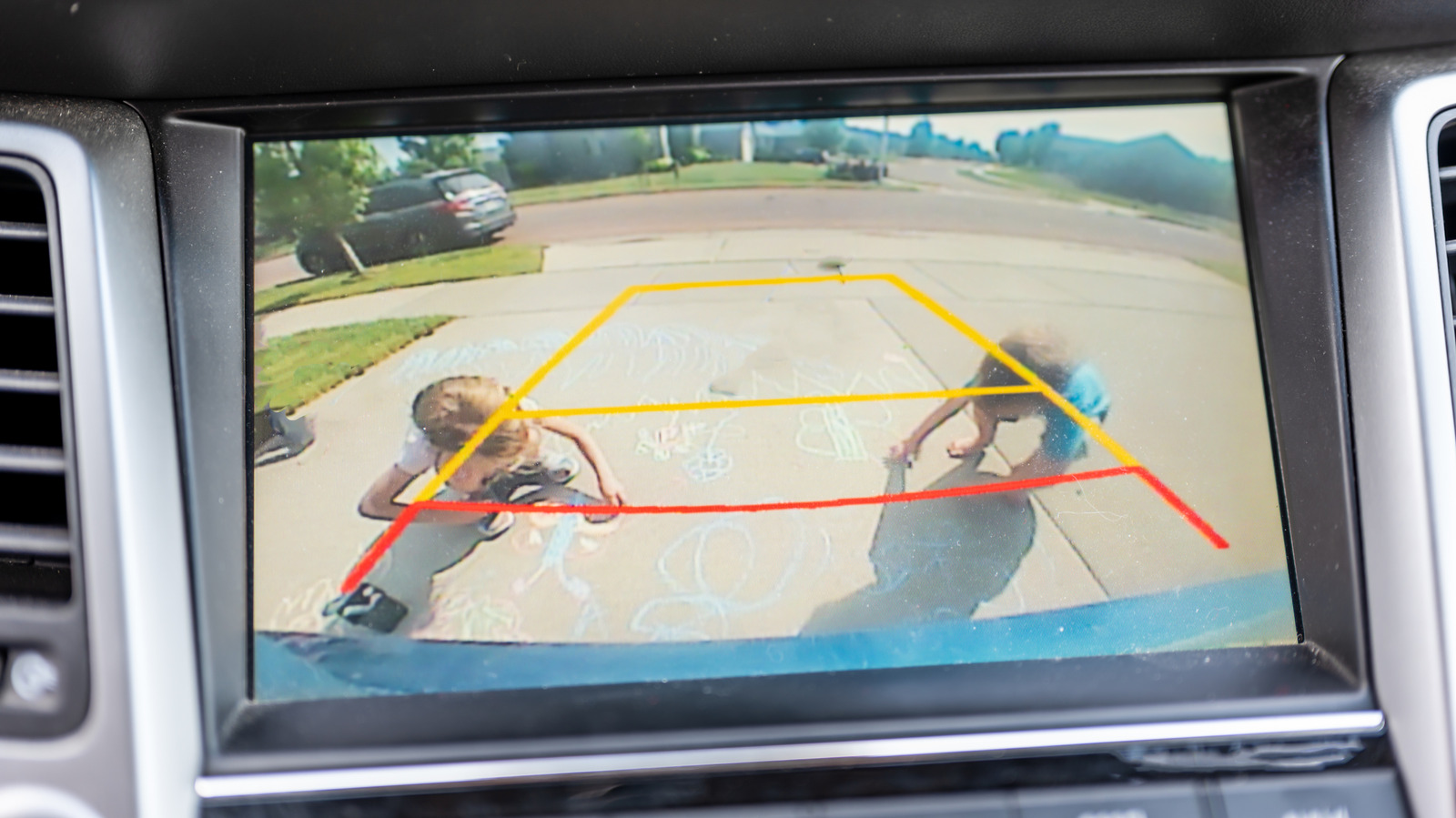
Rear-mounted cameras have become a major safety feature for drivers, but not all of them work the same way. Knowing the difference between a backup camera and a rearview camera can help you choose the right system for your vehicle.
A backup camera is positioned on the back of the vehicle and sends a live feed to the dashboard display. It activates only when the car shifts into reverse. These cameras typically use a wide-angle lens with a 150- or 180-degree view, and they often include guidance lines and sensors that beep when you get too close to an obstacle. They help with tight parking, reversing out of driveways, and preventing collisions with poles, pets, or children.
A rearview camera, by contrast, offers a continuous feed of the traffic behind the car at all times. It uses a narrower lens that approximates standard vision rather than a fisheye view. Rearview cameras are not automatically included in new vehicles, though some models have them. They are especially useful for large vehicles such as RVs, or for drivers who haul cargo or trailers that can block a standard rearview mirror. They can also record accidents and help maintain awareness of surrounding traffic.
Most vehicles from 2018 or later are required to have a backup camera under a federal mandate from the National Highway Traffic Safety Administration, issued in May 2018. A similar law in the European Union took effect in 2022. These rules apply only to backup cameras, not rearview cameras.
Older vehicles without a backup camera can add one for prices ranging from $40 to more than $400. Wireless add-on monitors can be clipped to the rearview mirror, and a rear dash cam can serve as a backup camera, though it may lack guidelines or sensors.
Source: Engadget · Summarized by HeadlinesBriefing