
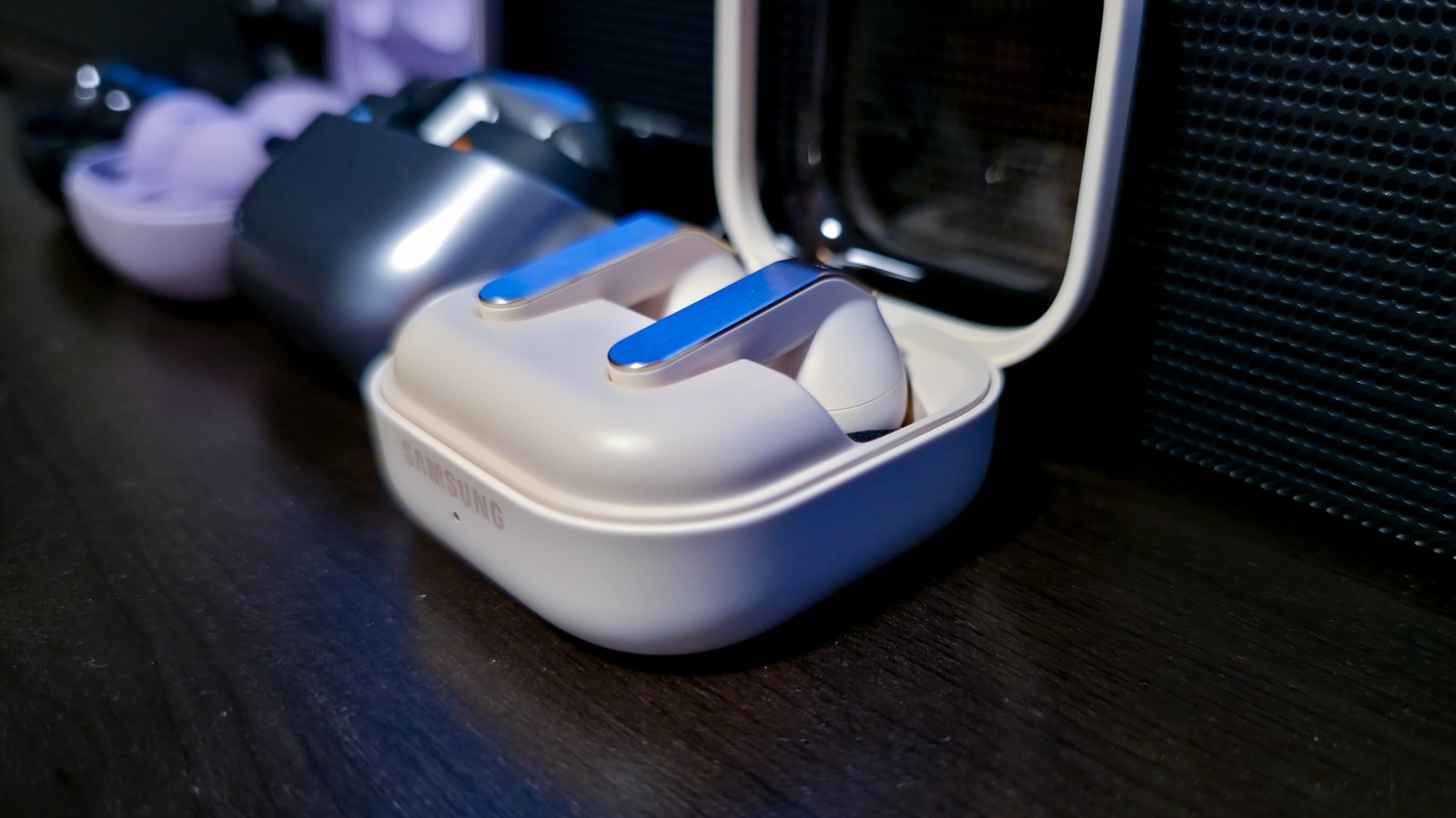
Active noise‑cancelling headphones and earbuds have surged in popularity over the past two decades, moving from niche aviation gear to everyday consumer tech. From Apple's ubiquitous Air‑Pods Pro to premium models by Sony and Bose, most users agree: the world is too noisy and we’d rather not hear it.
Passive noise cancellation is the simplest form; it relies on physical barriers to block sound. When you wear closed‑back headphones or earplugs, the earcup or plug itself forms a seal that keeps ambient noise out. Even without power, most headphones provide passive isolation, while open‑back designs like those favored by audiophiles purposely let sound through.
Active noise cancellation (ANC) adds a computer‑controlled layer. Microphones on the device capture external sounds, and the onboard processor generates an out‑of‑phase “anti‑noise” waveform that cancels the incoming signal before it reaches the eardrum. Sony WH‑1000XM6 uses a 12‑microphone array to improve this effect, though latency limits ANC’s effectiveness against high‑frequency chatter.
Because ANC is best suited to constant, low‑frequency noise, it works most efficiently when paired with a good passive seal. The more sound a pair can physically block, the less the ANC processor must contend with, lectures explain. Even the best ANC earbuds still fall short of over‑ear models that cover the ears entirely.
Source: Engadget · Summarized by HeadlinesBriefing