
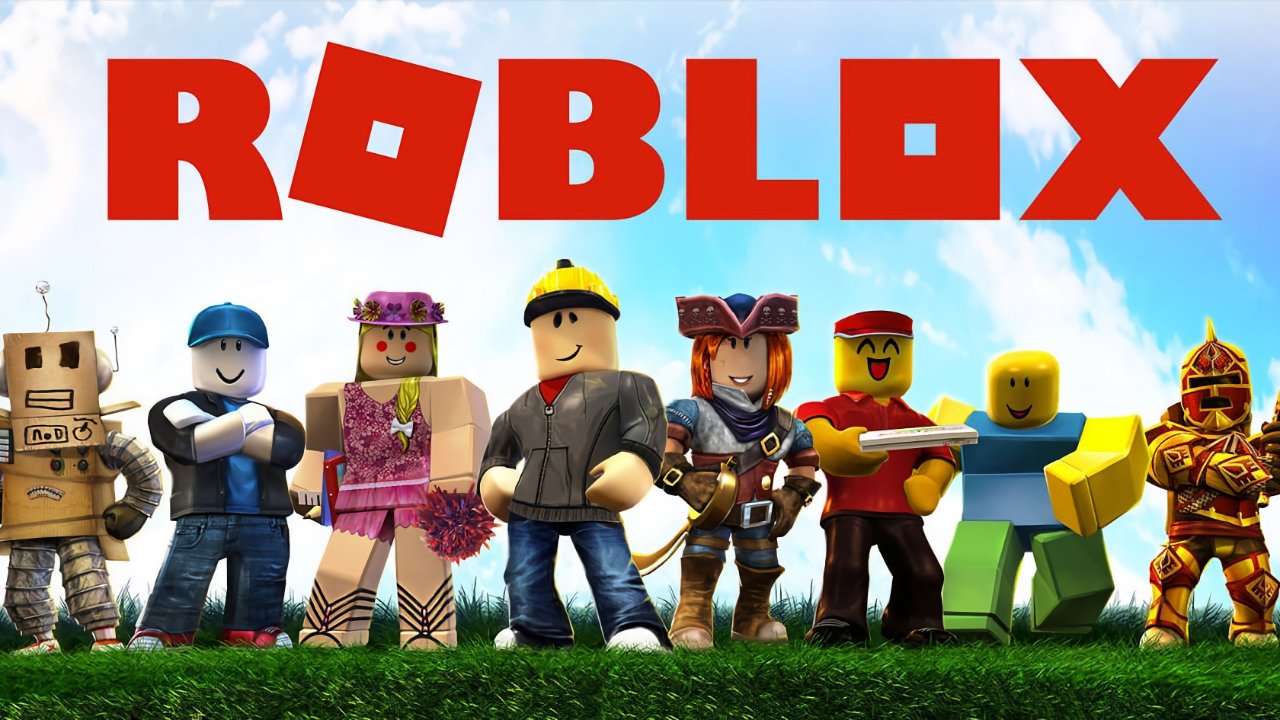
First paragraph (55 words) Roblox, launched in 2006, evolved from a niche platform into a global phenomenon, particularly surging during the pandemic as developers sought creative outlets and children flocked to its accessible, user-generated content. Its blend of gaming and social interaction, paired with a 30,000 Robux threshold for cashing out earnings, has cemented its status as a cultural touchstone for Gen Alpha. Critics highlight its cutesy aesthetic masking complex financial mechanics that exploit young users.
Second paragraph (62 words) The platform’s proprietary development tool lets creators design experiences on Mac/PC, contrasting with competitors like Media Molecule’s Little Big Planet. Developers monetize via in-game purchases, with Robux serving as both currency and a vector for opaque pricing. A $4.99 monthly subscription grants 450 Robux, but gift cards and direct purchases offer better value. This layered system confuses children, enabling accidental overspending—parents report thousands lost without refunds.
Third paragraph (60 words) The Roblox Marketplace dominates avatar customization, selling limited items like clothing and accessories. Developers upload designs for resale, but players lack tools to create levels or content within the app itself. Scams thrive: simplistic avatars sell for exorbitant prices, preying on impulsive buyers. Moderation relies on automated filters, yet fascist playgrounds and virtual strip clubs persist, exposing gaps in safeguarding measures.
Fourth paragraph (57 words) Live chats and third-party Discord links undermine Roblox’s reporting systems, allowing predators to bypass bans via new accounts. Parents can disable chat or hide profiles, but loopholes remain. As Epic Games integrates sponsored content in Fortnite, Roblox’s reliance on young spenders raises ethical questions. With $114 now required to cash out Robux, the platform’s dual role as playground and profit engine deepens scrutiny.
Source: AppleInsider · Summarized by HeadlinesBriefing