
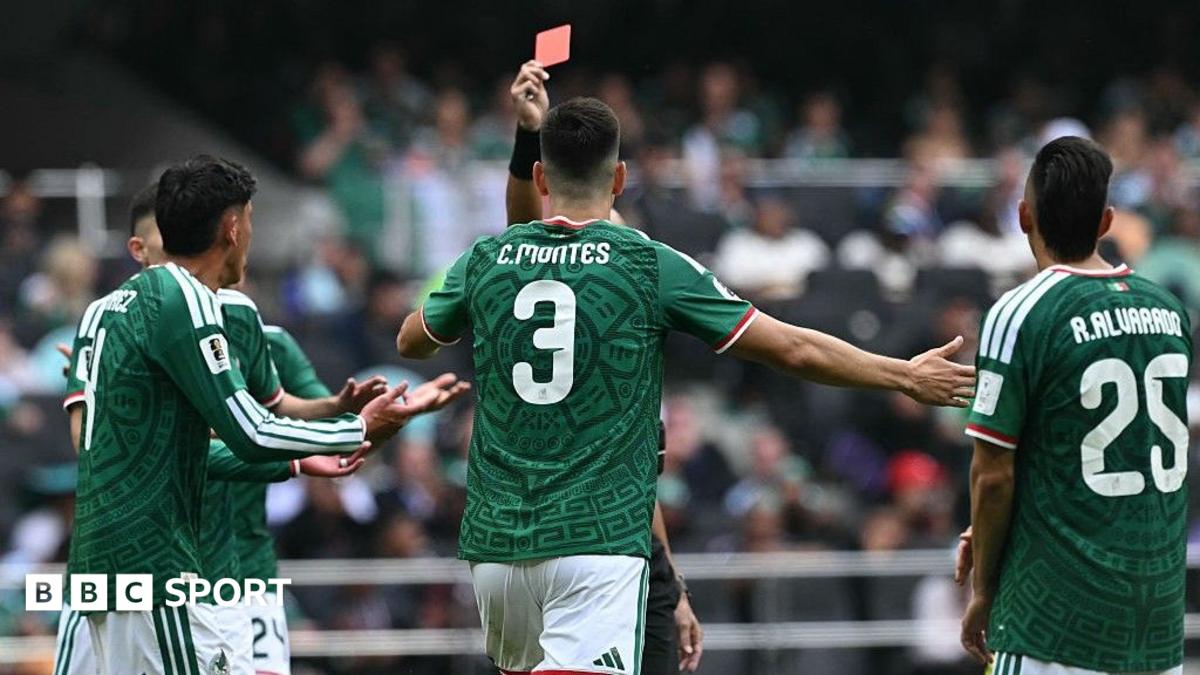
One-match suspension for red cards is standard in World Cup 2026, but FIFA retains power to impose additional penalties. This rule applies to both direct reds and players receiving two yellows in a match. Three red cards were shown in the tournament’s opening game, forcing South Africa’s Yaya Sithole and Themba Zwane to miss their Czech Republic clash, while Mexico’s Cesar Montes will skip their South Korea game. The severity of these suspensions highlights how early red cards can reshape team strategies, especially in high-stakes matches.
The rules also account for accumulated bookings across multiple games. Players facing two yellows in separate matches will face a one-match ban, though yellow cards are wiped clean after the group stage and again after the quarter-finals. This reset mechanism prevents long-term penalties from early-game fouls but doesn’t apply to red cards. For teams, this creates a delicate balance: early aggression risks compounding suspensions, while caution might yield short-term gains without long-term consequences. The reset rule adds complexity to coaching decisions during group phases.
While the one-match suspension is clear-cut, FIFA’s ability to escalate penalties introduces uncertainty. A player sent off in a crucial group stage match could face harsher consequences if FIFA deems the red card warranting further sanctions. This flexibility means outcomes depend not just on on-field actions but also on external reviews. For fans, the rules underscore how a single moment—like a reckless tackle or accumulated fouls—can derail a player’s tournament participation. With three red cards already in the opening match, the tournament sets a precedent for how strictly these rules will be enforced.
Source: BBC Sport Football · Summarized by HeadlinesBriefing