
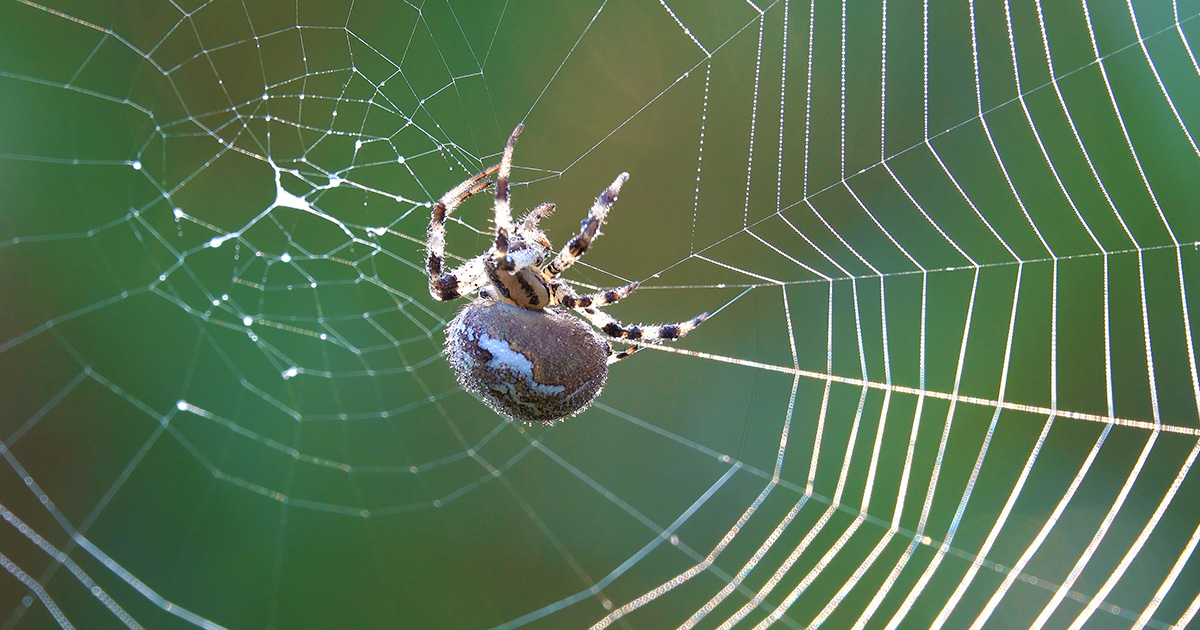
Biologists are uncovering how spiders transform "silk dope" — a liquid blend of proteins, water, and salt — into silk tougher than Kevlar and stronger than steel. Researchers led by Gregory Holland at San Diego State University recently mapped how molecules in liquid spider dope reorganize into semiliquid droplets called condensates before solidifying into fiber. This atomic-level view of the spider's silk factory reveals nature's strategy for organizing molecules into rugged materials.
Spiders produce up to seven silk types, each with distinct properties. Dragline silk anchors webs, while aciniform silk wraps prey. All silks rely on spidroins, modular proteins with intrinsically disordered regions that flutter in solution. For decades, scientists debated whether these proteins align like liquid crystals or form micelles like silkworm silk. The discovery of condensates — liquid-like bubbles of concentrated proteins — in 2009 shifted the paradigm.
Holland's team showed that spidroins phase-separate into condensates inside silk glands, concentrating proteins and pre-organizing them for rapid fiber formation. This mechanism, conserved across organisms, offers a blueprint for lab-grown spider silk applications from seat belts to neural scaffolds.
Source: Hacker News · Summarized by HeadlinesBriefing