
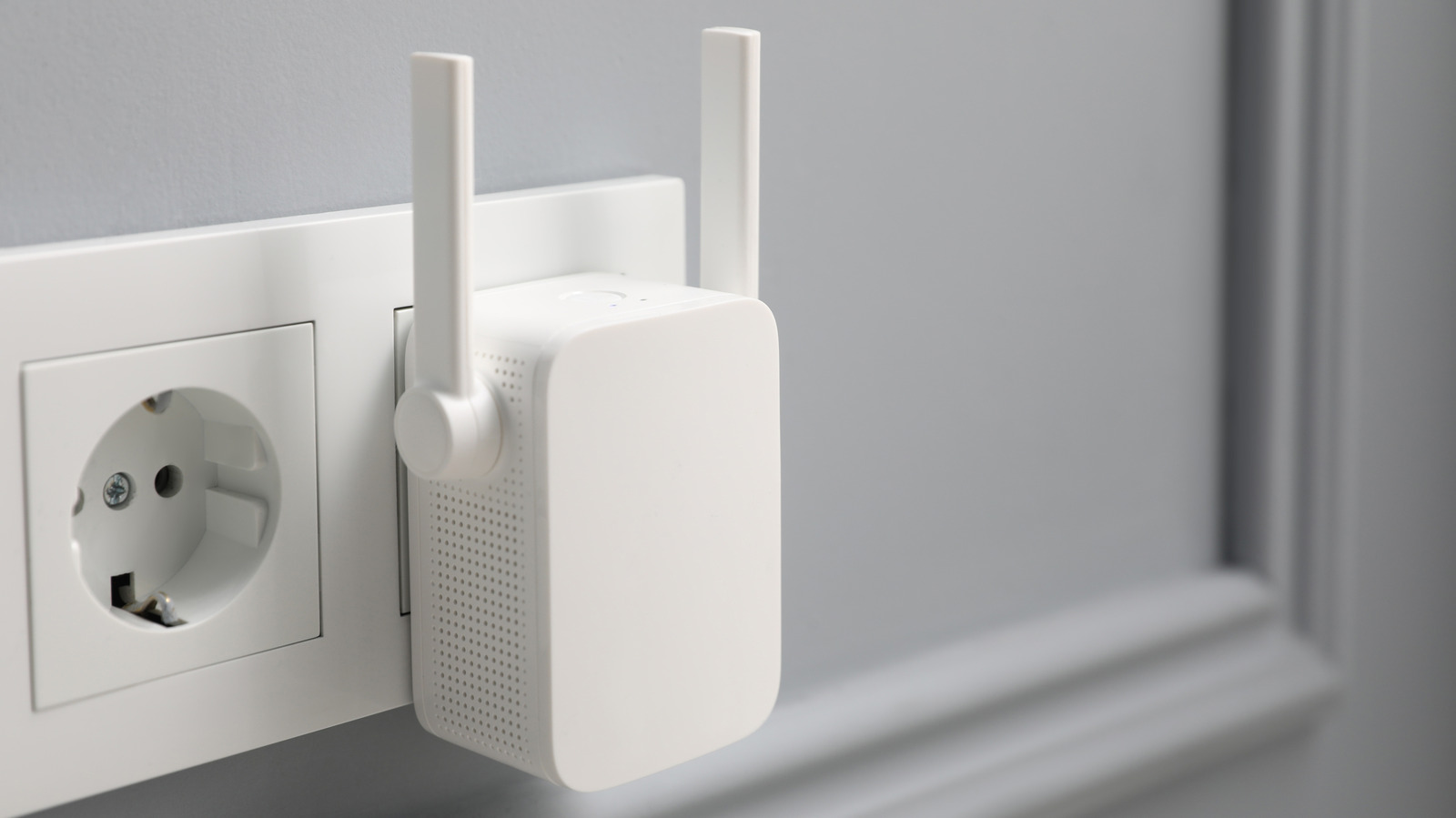
A single extender might fix a dead zone, but can't compete with better network tech. While Wi-Fi extenders are the cheapest fix for rooms with weak router signal, they come with significant limitations. Most basic extenders use the same band for receiving and transmitting, cutting speed by up to half. Even high-end models struggle to match router speeds, and throughput drops further with walls and interference.
For a single small room near the router, an extender gets a solid "maybe." But for multiple rooms or a backyard office, alternatives like a new router, mesh systems, or Ethernet are better. Before buying anything, check your existing router—many newer models are more capable than expected. Proper placement and antenna positioning can also improve performance significantly.
Mesh Wi-Fi systems offer seamless whole-home coverage with a single network name (SSID), automatically connecting devices to the strongest node. Unlike extenders, mesh nodes are designed to work together. However, mesh isn't perfect—wireless backhaul can reduce speeds, and cheaper systems have the same half-throughput issue as extenders. Tri-band systems with dedicated backhaul bands or Ethernet between nodes solve this. For exterior offices, Ethernet is strongly recommended.
The worst place for an extender is in a dead zone itself, since it can't amplify a signal it isn't receiving. Extenders need at least moderate signal strength from the router to function effectively.