
[currently recent analyses have identified the causes and consequences of shrinking munitions stockpiles. Policymakers and industry should now turn their efforts to not only rebuilding the munitions industrial base but also recasting it for the demands of modern high-intensity wars of precision and attrition. Such a step requires both increasing the size and changing the composition of the U.S. munitions arsenal, embracing magazine breadth as well as magazine depth through equipping the joint force with a 'high-low mix' of exquisite and affordable missiles and interceptors.
The emergence of multiyear 'framework agreements' between the Department of Defense (DOD) and contractors is important, but they need to be followed by appropriations from Congress, increased capital expenditures (Cap Ex) by industry, and contracts between the Pentagon and companies. Looking at the president's fiscal year 2027 budget request, subsequent initiatives, quarterly company reporting, and recent contract announcements provides a clearer picture of the planned future as well as the obstacles that need to be overcome to achieve those objectives. Based upon the DOD's FY 2027 budget requests and subsequent policy announcements, the Pentagon plans to significantly grow stocks of the nation's proven and capable missiles and interceptors.
Requests for Patriot PAC-3 Missile Segment Enhanced (MSE) interceptors have grown 839 percent, from 341 in FY 2026 to 3,203 in FY 2027; asks for Terminal High Altitude Area Defense (THAAD) interceptors have climbed 2,216 percent, from 37 to 857; and requests for Tomahawk missiles have surged 1,740 percent, from 57 to 1,049. While expensive, these exquisite munitions are intricately designed, high-performance systems optimized for difficult missions. Multiyear agreements and coproduction efforts could potentially help reduce the 25-to-51-month manufacturing lead time.
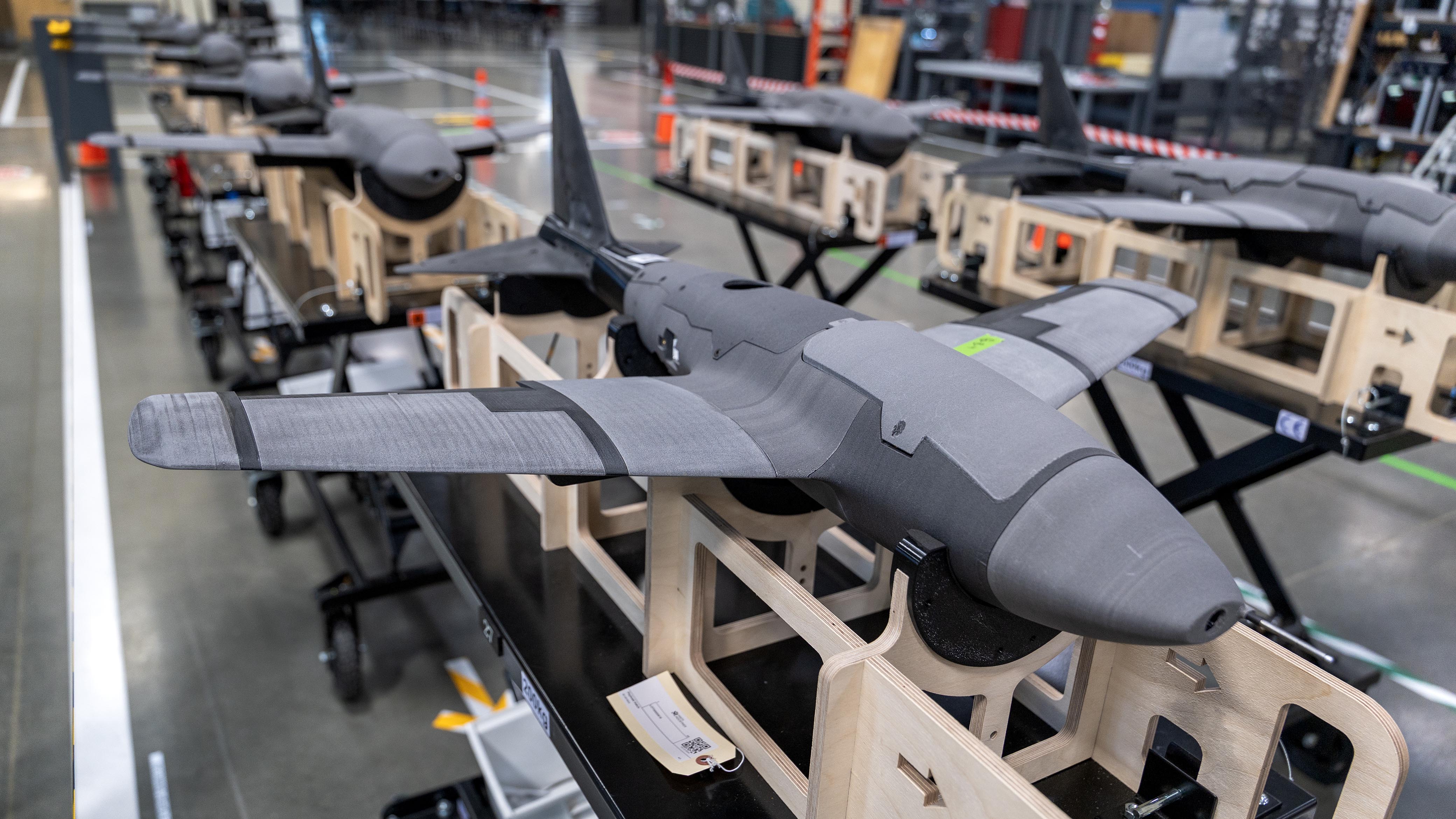
However, these legacy systems were fundamentally built for performance and not designed for production at scale. The Pentagon launched the Drone Dominance Program in December 2025, a $1.1 billion initiative to scale domestic small drone production and rapidly field 340,000 units by the end of 2027. Since May 2026, the Pentagon and manufacturers have signed multi-year framework agreements to rapidly field low-cost cruise missiles, including the Air Force's Family of Affordable Mass Missile program for over 27,000 air-launched cruise missiles and the Low-Cost Containerized Missiles program for 10,000 ground-launched cruise missiles.
উৎস: Hacker News · সারাংশ: HeadlinesBriefing