
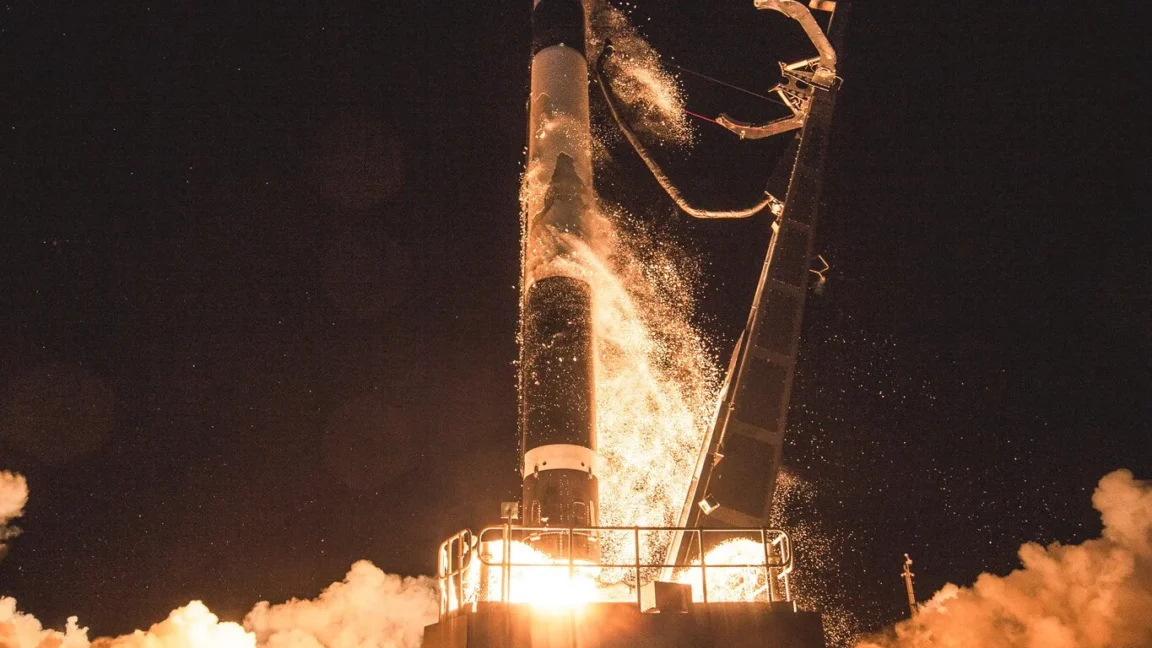
Rocket Lab launched the Victus Haze mission in just 16 hours and 42 minutes after receiving the US Space Force's launch notice, shattering the previous record by over 10 hours. The classified mission demonstrated rapid-response capabilities for military satellite inspection, with minimal public announcement and no livestream coverage.
Rocket Lab completed the rapid-turnaround launch as part of a 2024 Space Force program to test quick orbital threat assessment. The company placed a satellite on standby to inspect another spacecraft built by True Anomaly, simulating how the military might respond to suspicious objects in orbit. This comes as SpaceX appears ready to end its affordable Transporter rideshare program, leaving small satellite companies searching for alternatives.
German firm OHB plans to raise €510.7 million ($580 million) to support its subsidiaries, including Rocket Factory Augsburg which continues developing its RFA One rocket after a 2024 anomaly. Meanwhile, China prepares for the July debut of its Long March 10B reusable rocket, attempting sea recovery of the first stage.
Former NASA deputy administrator Pamela Melroy joined Australian company Gilmour Space as board director, backing their Eris rocket development. Sirius Space secured launch facilities in French Guiana for its three small-satellite rockets ranging from 180kg to 1,100kg payload capacity. These moves signal intense competition in commercial launch services as traditional rideshare options disappear.
Source: Ars Technica · Summarized by HeadlinesBriefing