
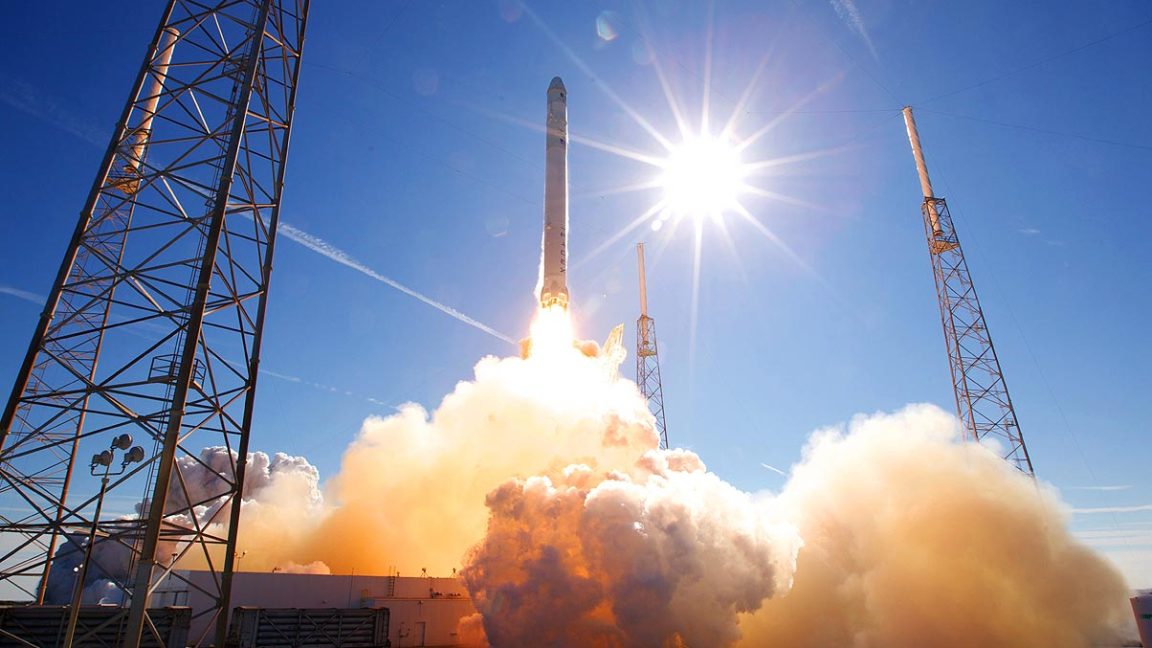
The Western launch market faces a growing crunch despite record launch activity. Quilty Space director Caleb Henry describes "an industry in panic" as satellite operators struggle to secure rides. Telesat rejected requests to share its 11 booked Falcon 9 launches, Amazon LEO throttled satellite production due to launch delays, and AST Space Mobile cited launch availability as its pacing item. Analysys Mason forecasts 37,000+ satellites needing launch by 2033.
The crisis centers on SpaceX's plan to wind down Falcon 9 operations by 2028 in favor of Starship. Falcon 9 flew 165 times last year but will fly ~20 fewer in 2024. SpaceX's revenue is dominated by Starlink ($4.3B of $7.8B in Q2 2026), making commercial launch a low priority. Commercial customers report difficulty booking Falcon 9 launches after 2028.
The situation worsened after Russia's 2022 Ukraine invasion removed Soyuz/Proton from Western markets, coinciding with Ariane 5 and Atlas V retirements before Ariane 6 and Vulcan were ready. Only SpaceX scaled up, tripling Falcon 9 flights from 31 (2021) to 91 (2023). Ariane 6 debuted in 2024 but targets only 10 launches/year. Japan's H3 and India's LVM3 have seen limited success.
Hope rests on ULA's Vulcan and Blue Origin's New Glenn. Both have full manifests—Vulcan booked for US Space Force and Amazon LEO (38 launches), New Glenn with 27 options for Amazon. However, neither has yet flown enough to ease the capacity crunch expected over the next 2-4 years.
Source: Ars Technica · Summarized by HeadlinesBriefing