
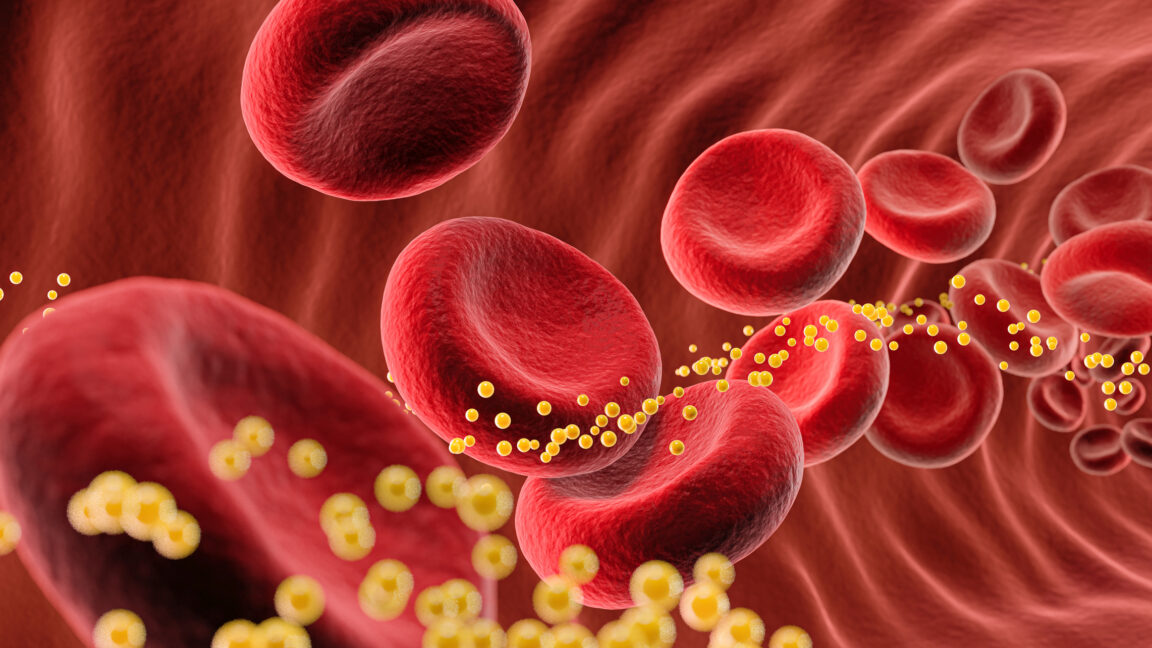
A Phase I safety study of VERVE‑102, an experimental gene‑editing therapy, reported interim data on 35 participants in the New England Journal of Medicine. Researchers observed no serious adverse events, even at the highest dose, and a modest, temporary rise in a liver enzyme. The most striking result came from the top‑dose cohort, whose LDL cholesterol fell 62 % to an average of 78 mg/dL.
VERVE‑102 delivers mRNA inside liver‑targeted nanoparticles that encode an adenine base‑editor and guide RNA. The editor snips a single DNA base in the PCSK9 gene, causing premature termination of the enzyme that normally degrades LDL receptors. Dose escalation showed a clear relationship: the 0.3 mg/kg group cut PCSK9 by 51 % and LDL by 9 %; the 1 mg/kg group reduced PCSK9 88 % and LDL 62 %.
The therapy was developed by Verve Therapeutics, which Eli Lilly acquired for $1.3 billion last year. Lilly has secured Fast Track status for VERVE‑102, positioning it as a potential one‑time alternative to daily statins for patients with genetically high LDL. While the early signals are encouraging, the small cohort and limited follow‑up mean larger trials are essential before regulatory approval.
Source: Ars Technica · Summarized by HeadlinesBriefing