
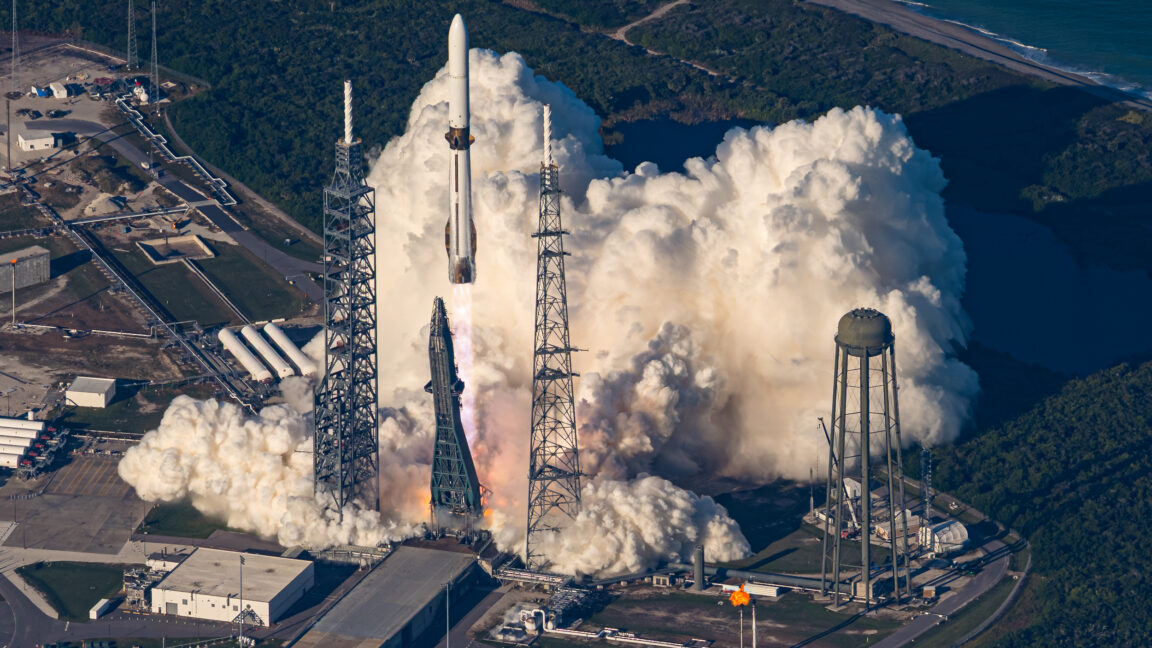
Blue Origin’s latest setback reverberates through the lunar agenda. The company’s Blue Moon Mark 1 lander failed to launch, leaving NASA without a domestic crew‑rated descent vehicle for Artemis. The failure forces a rethink of launch options, supply chains, and the timeline for crewed Moon landings in the coming years and the broader industry today.
Without a ready Blue Moon, NASA eyes alternatives. SpaceX’s Falcon Heavy could lift the Mark 1, but kerosene‑to‑liquid‑hydrogen compatibility doubts linger. Meanwhile, ULA’s Vulcan remains sidelined, queued for Space Force payloads. The uncertainty spills into Artemis III, slated for 2027, where Orion must dock with a human landing system in low‑Earth orbit soon after launch.
The delay forces NASA to decide whether to wait for Blue Origin’s Mark 1 or launch solely with Starship. Starship’s mass capacity matches the ~1‑ton rovers from Astrolab and Lunar Outpost, but its own test schedule remains tight. The choice will shape the Artemis IV landing plan for 2028 and the broader lunar exploration strategy today.
With Blue Moon on hold indefinitely, the U.S. space community turns to SpaceX’s Starship as the de facto lifeline for crewed Moon missions. The shift underscores the growing dependence on a single private launcher, raising questions about resilience, cost, and the long‑term sustainability of lunar ambitions for missions and national security in the coming decade.
Source: Ars Technica · Summarized by HeadlinesBriefing