
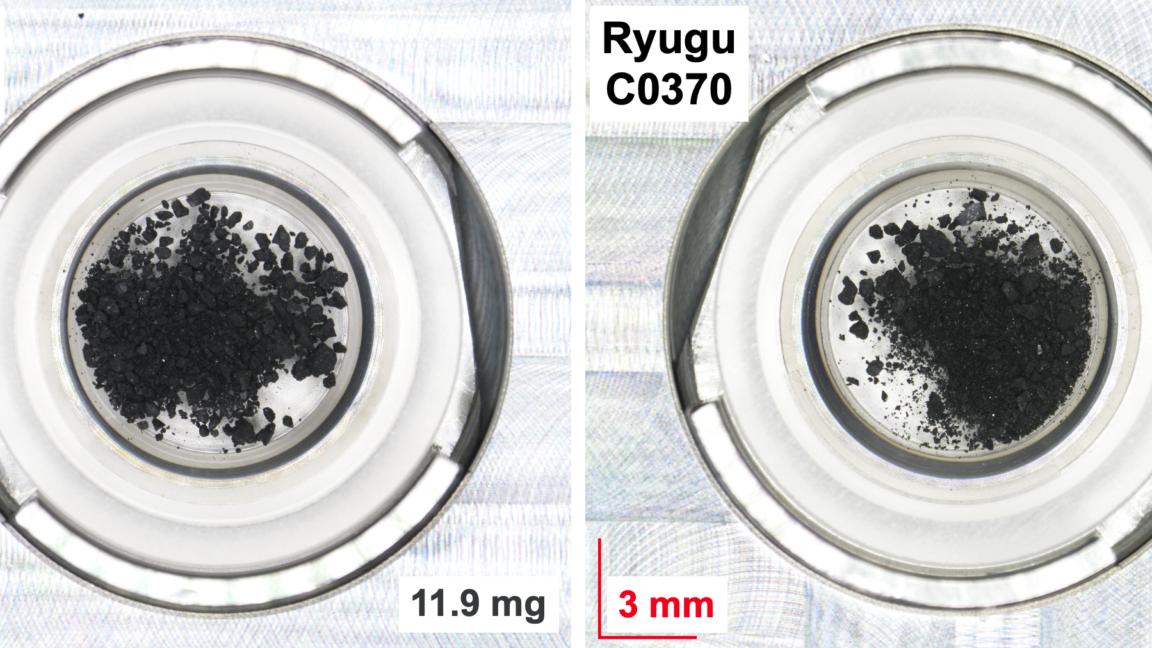
Ryugu, a carbon-rich asteroid, contains all five DNA/RNA building blocks, challenging earlier assumptions about their scarcity in space. A new study published in *Nature Astronomy* reveals that prior missions like OSIRIS-REx found similar molecules in Bennu, but Ryugu’s results were initially incomplete. Researchers used enhanced lab techniques to detect missing bases, confirming their presence in extraterrestrial samples.
The discovery resolves a decades-old mystery: why some asteroids showed DNA bases while others didn’t. By analyzing purines and pyrimidines (two chemical classes of bases), scientists linked their ratios to ammonia levels in asteroids. This suggests space conditions favor specific prebiotic chemistry pathways, distinct from Earth’s. Such insights could reshape models of how life’s ingredients spread through the solar system.
While Earth’s life likely arose from local chemistry, the findings highlight space’s potential role in seeding biochemicals. However, surviving atmospheric entry and concentrating enough to spark life remains uncertain. The study underscores that prebiotic chemistry in asteroids offers a parallel avenue for understanding life’s origins, both here and beyond.
Asteroid samples now serve as natural laboratories for testing how nucleotides form under cosmic conditions. As missions like Hayabusa2 and OSIRIS-REx return more data, researchers may unravel whether life’s blueprint originated in space—or if Earth’s unique chemistry was indispensable.
Source: Ars Technica · Summarized by HeadlinesBriefing