
Something confusing is happening in Major League Baseball. For much of the 2026 season, the league has argued that the game is fundamentally broken, unfair to lower-payroll and smaller-market teams, and that only a salary cap and floor system can fix those imbalances.
Yet of the four teams remaining in the postseason, one plays in the game's smallest market, another carries the lowest cash payroll, and a third runs the 26th-highest payroll of the league's 30 teams. The fourth is the Los Angeles Dodgers, whose back-to-back championships have underpinned MLB's rhetoric. L.A.'s payroll this year is $340.6 million, plus $180.8 million in luxury tax payments. That penalty alone exceeds the full payrolls of the other three championship series clubs: the Milwaukee Brewers ($143.7 million), Tampa Bay Rays ($98.5 million) and Cleveland Guardians ($74.4 million).
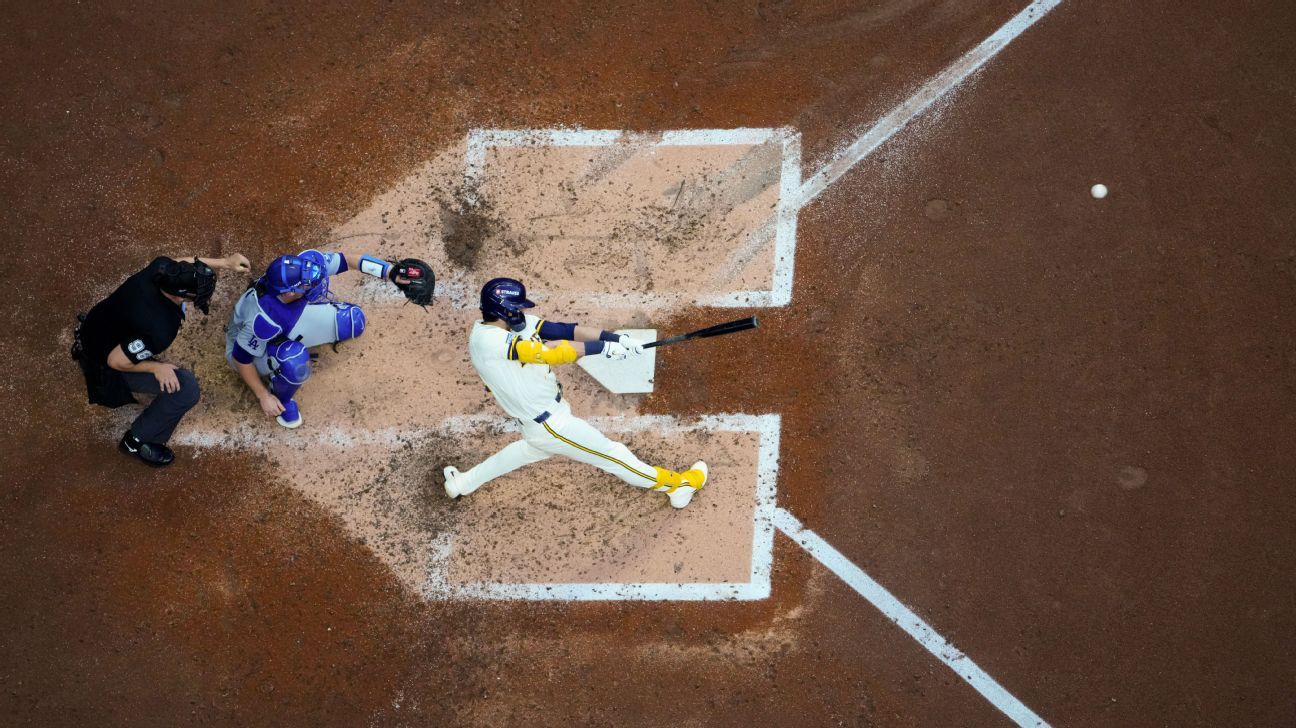
With the Dodgers losing the first two games of the National League Championship Series, MLB faces a reality that opposes its narrative: two small-market teams could meet in the World Series. Tampa Bay has never won a title in its 29 years of existence, Milwaukee has never won in 58 years, and Cleveland has not won since 1948. Commissioner Rob Manfred has called "competitive balance" the core of the league's mission.
The 2026 season does not necessarily invalidate MLB's argument that moneyed teams have dominated the postseason over the past decade. It does, however, support the MLB Players Association's position that lower-spending teams can still succeed without a cap-and-floor system. Owners remain firm on their proposal, and collective bargaining has stalled since the league's May offer of a 50-50 revenue split.
Source: ESPN MLB · Summarized by HeadlinesBriefing