
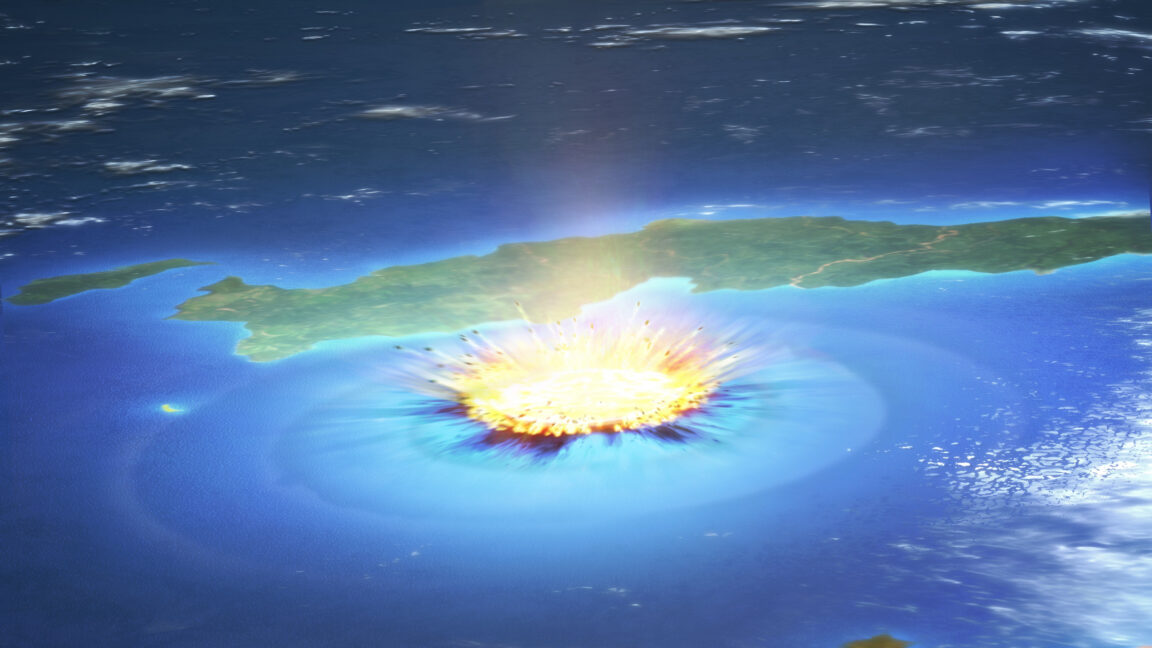
About 66 million years ago, the Chicxulub asteroid slammed into what is now the Yucatan Peninsula, devastating non-avian dinosaurs and countless species. Yet not all consequences were destructive. The impact generated a hydrothermal system at the crater's bottom that persisted far longer than previously believed.
Researchers drilling in 2016 studied rock samples from the impact zone, revealing subterranean deformation reaching 35 km deep and immense rock melting. Seawater exposure made the rock porous, and hot water seeping through formed a hydrothermal system. This nutrient-rich environment may have attracted microorganisms struggling to survive elsewhere.
Geologist Annemarie Pickersgill of the University of Glasgow led a team analyzing feldspar samples using potassium-argon dating. Their findings, published in Communications Earth & Environment, showed the hydrothermal system lasted at least 8 million years—four times longer than the previously estimated 2 million years.
"Longer periods of hydrothermal activity will generate extended windows of opportunity for prebiotic chemical reactions to occur, life to develop, and micro-organisms to thrive," Pickersgill explained. While the study doesn't confirm actual life inhabited the crater, it reveals habitable conditions endured long enough to potentially support colony formation around hydrothermal vents.
Источник: Ars Technica · Сводку подготовил HeadlinesBriefing