
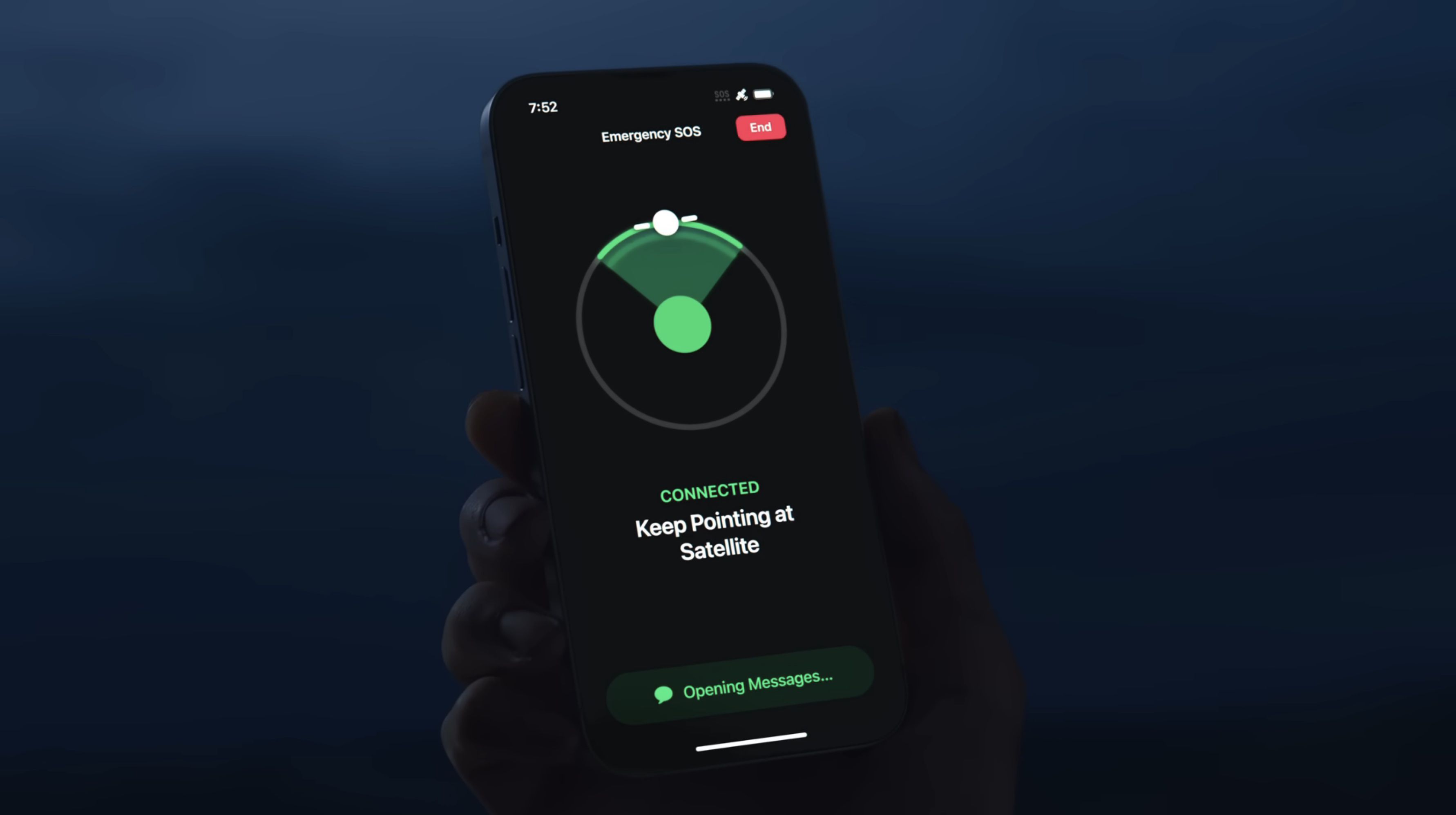
Apple maintains a dominant position in satellite-connected smartphones, with devices like the iPhone 14 and newer models setting the standard for emergency connectivity. A Counterpoint Research report projects satellite-enabled phones will account for 46% of global smartphone shipments by 2030, driven by Apple’s early adoption of Globalstar’s satellite network for its Emergency SOS feature in 2022. Samsung leads Android competitors, while Huawei and Google pursue proprietary solutions, and brands like Xiaomi and OPPO align with the 3GPP non-terrestrial network (NTN) standard for broader compatibility.
The premium segment currently dominates adoption, hindered by limited everyday utility. 3GPP Release 17 restricts functionality to SOS messaging and basic location sharing, but upcoming Release 18 and 19 aim to expand capabilities. Qualcomm leads Android modem development with Snapdragon X80 and X85 chips, though MediaTek, Samsung, and Google are intensifying competition. North America drives adoption through carrier partnerships, including T-Mobile’s SpaceX collaboration and AT&T’s AST Mobile integration, alongside Apple’s Globalstar arrangement.
Amazon’s acquisition of Globalstar introduces new dynamics, potentially enabling connectivity-as-a-service models. Apple has secured a separate deal with Amazon to integrate its Leo satellite network into future iPhone and Apple Watch features. Upcoming iOS updates may introduce satellite-powered Maps, Messages photos, and a third-party app API, further cementing Apple’s leadership.
With Android brands targeting mid-range expansion and Apple focusing on premium innovation, the market is poised for transformative growth. Amazon’s Globalstar takeover and Apple’s feature pipeline highlight the sector’s shift toward mainstream usability, though widespread mid-tier adoption awaits 3GPP Release 19’s rollout.
Source: MacRumors · Summarized by HeadlinesBriefing