
Microsoft says it has made Windows 11 up to 20 percent more responsive, largely by improving memory efficiency and management. According to Navjot Virk, Microsoft's corporate vice president of Windows Experiences, the operating system "can now keep up to 2GB more of your active data in memory instead of moving it to slower storage, helping your PC stay responsive as you open more apps or browser tabs." Virk noted that PCs with 8GB of memory may see "an especially meaningful difference."
The improvements arrive at a difficult time for PC buyers. Upgrading RAM has become increasingly expensive, as AI data centers consume large amounts of memory and drive up prices for ordinary consumers. Microsoft is heavily involved in that buildout, so better memory management may be the least the company can do to ease the shortage.
On PCs with 8GB or less of RAM, Windows 11 will now load widgets only when users open them. Microsoft says this frees up over 200MB of memory for other tasks. Pairing AirPods with PCs should also be faster, as part of broader improvements to Bluetooth headphone reliability. Windows Hello logins are said to be easier, faster and more reliable as well.
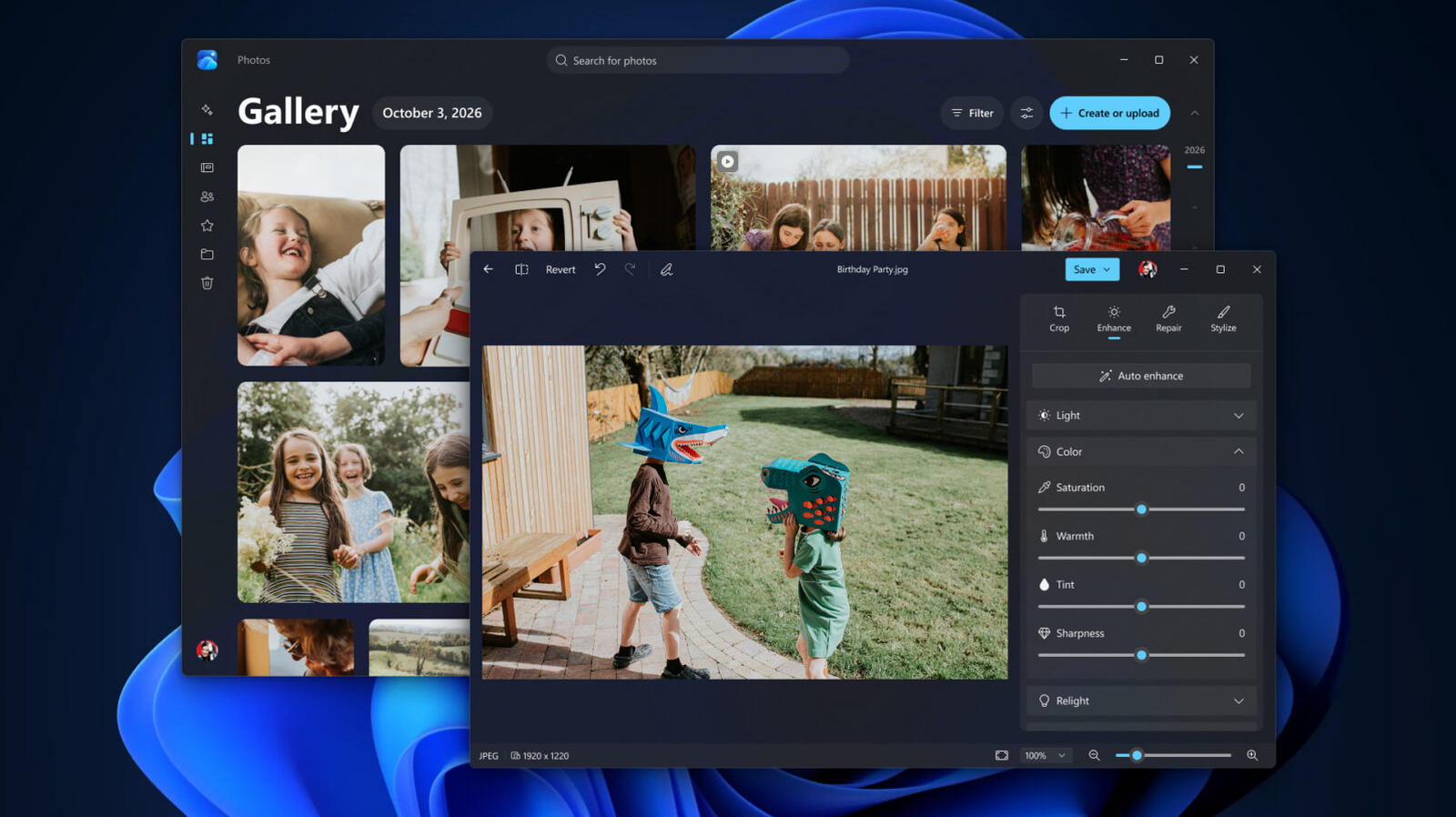
Windows Insider testers can also try the revamped, AI-powered Search that Microsoft unveiled last week. It can carry out thousands of actions directly through Search, which the company is effectively turning into a chatbot. A new Photos app with a revamped gallery can pull together images from local storage, OneDrive and iCloud, and Microsoft claims its built-in editor loads 25 percent faster while the native viewer loads 30 percent quicker.
Source: Engadget · Summarized by HeadlinesBriefing