
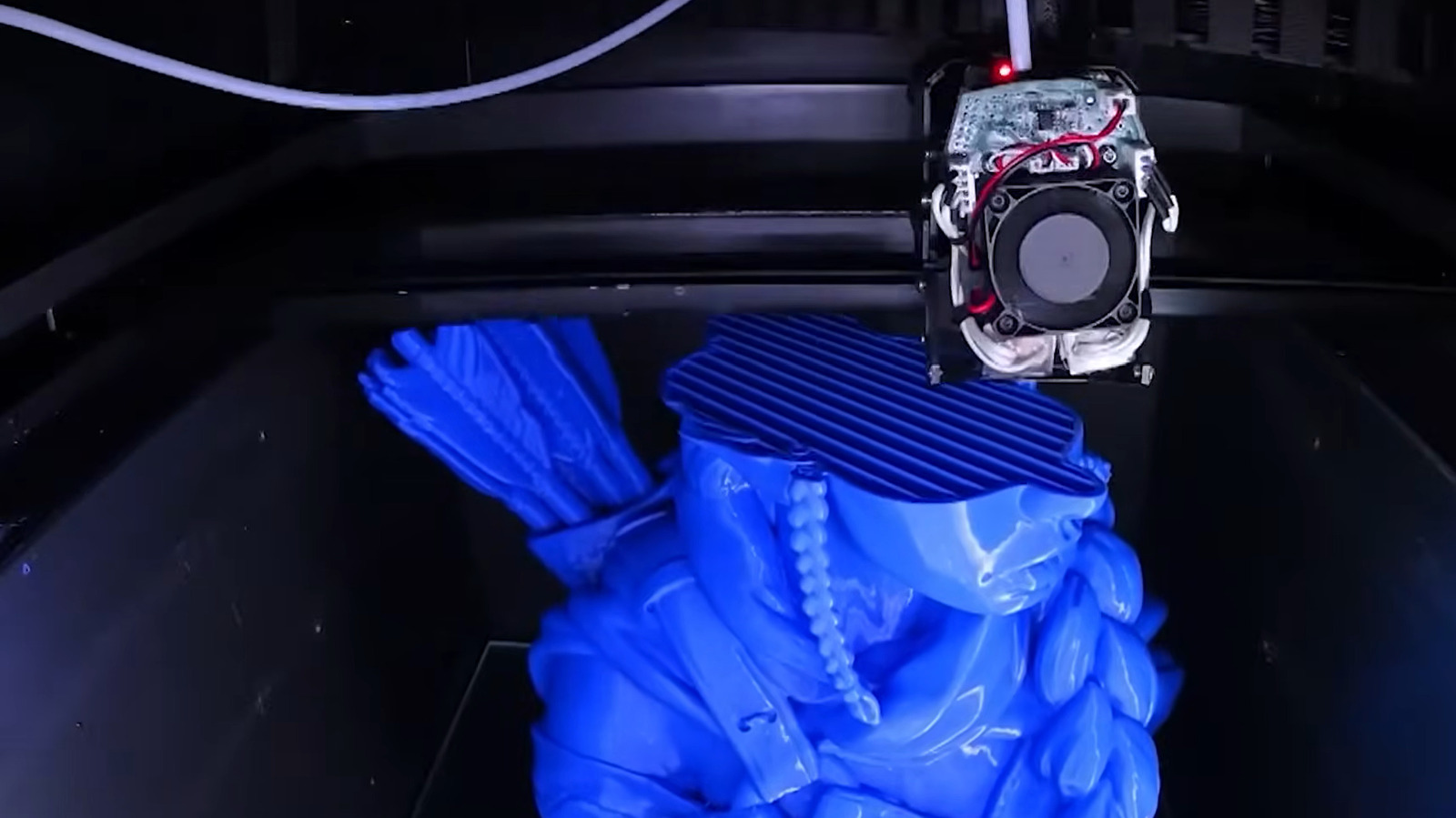
Fused Deposition Modeling (FDM) is one of the most popular 3D printing technologies, ideal for beginners entering the world of 3D creation. FDM printers build objects layer by layer using thermoplastic filaments that fuse together. The process starts with a computer-aided design (CAD) file translated into printer instructions. The printer then extrudes melted filament through a heated nozzle, laying down each layer on the build plate according to the CAD pathways. This continues for hours or even days depending on print complexity.
FDM printers are compatible with various filaments including polylactic acid (PLA), an inexpensive biodegradable plastic favored by beginners for its low-temperature printing requirements. Other options include PET G, acrylonitrile butadiene styrene (ABS), thermoplastic polyurethane (TPU), nylon, wood, metal, and high-density polyethylene (HDPE). Some materials require high temperatures or special equipment, so users must ensure their printer and workspace can handle them safely.
FDM printers offer quick turnaround times, making them popular for prototyping and budget-friendly production. However, they have limitations including low resolution, difficulty with intricate details, warping issues, and structural weakness along the z-axis. For high-precision work, industrial-grade printers from brands like Prusa Research, Bambu Lab, or Ultimaker may be necessary.
Source: Engadget · Summarized by HeadlinesBriefing