
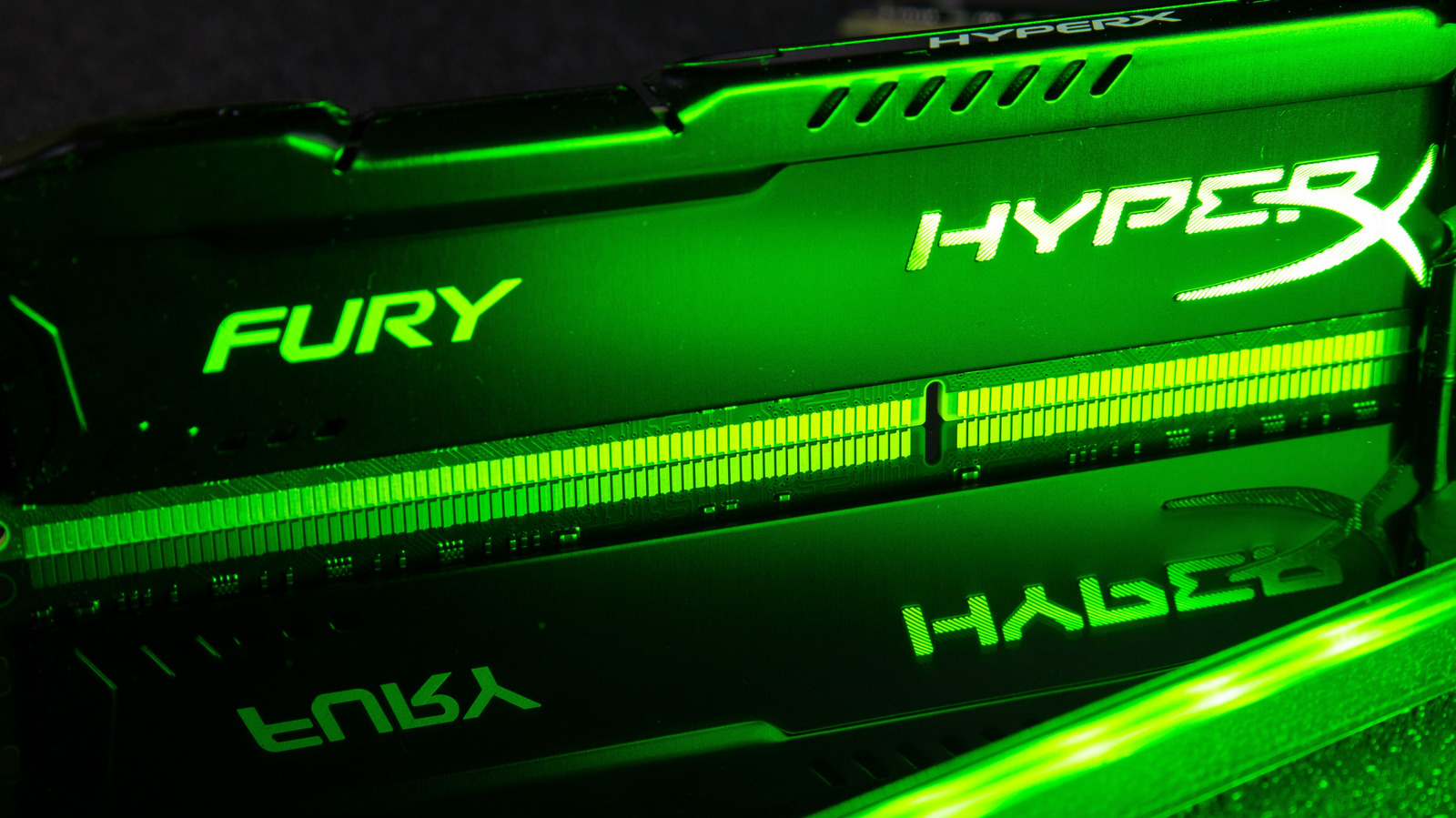
RAM and ROM are fundamental memory types in computing, but their roles differ significantly. RAM is volatile memory used for active tasks, losing data when power is cut, while ROM retains data without power. Modern devices use DRAM for RAM and flash memory (a type of ROM) for firmware and storage. Recent DRAM price surges of 90-95% are driven by AI data center demand, impacting consumer availability.
Companies like Micron have shifted focus from consumer brands to high-margin AI markets. ROM has evolved from truly read-only chips to reprogrammable flash memory, now found in SSDs and smartphones. Understanding these distinctions helps users make informed hardware choices.
Source: Engadget · Summarized by HeadlinesBriefing