
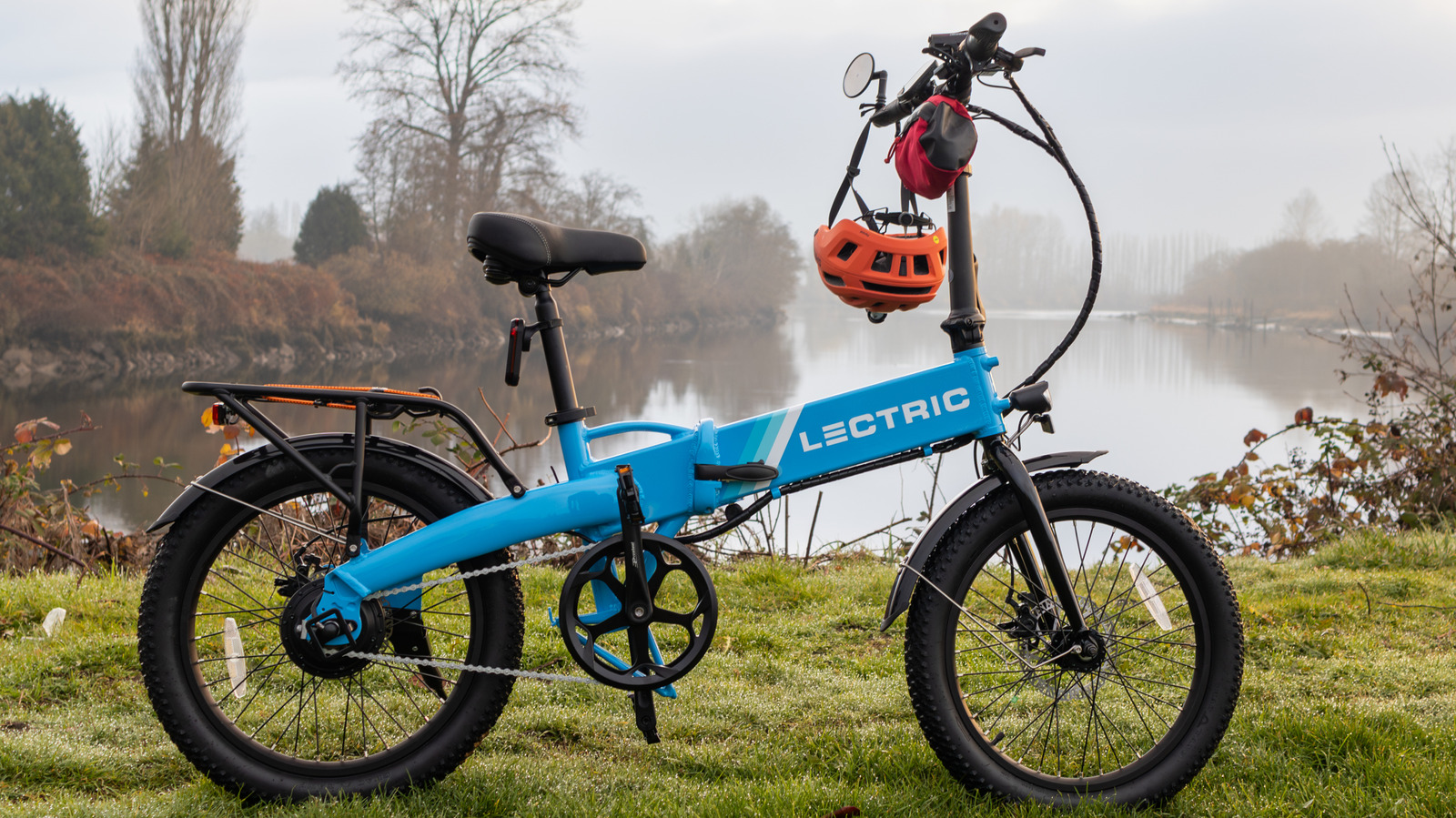
Foldable electric bikes offer space-saving convenience for commuters short on storage, combining a motor-assisted ride with a frame that folds for easy stowing in luggage racks or under desks. However, this form factor comes with notable trade-offs. Despite folding, these bikes aren't necessarily lightweight — a foldable e-bike still requires a motor, battery, hinges, and locking hardware, all of which add significant heft. For example, the Lectric folding XP4 with a 500W motor weighs 62 pounds without the battery, rising to 69 pounds (31kg) when installed. That makes it difficult to lift into a car or carry up stairs, and public transit rules like Amtrak's 50-pound limit may exclude heavier models. Additional attachments like baskets or pannier bags further complicate portability and storage.
Ride comfort is another concern. Compact folding designs often use smaller wheels, narrow tires, and minimal suspension, resulting in a harsher experience on rough roads and potholes. Saddle comfort and riding position also matter, with manufacturers like Tern advising proper adjustment for a smoother ride. While some models offset these issues with wider tires and suspension, doing so adds weight and bulk.
Before purchasing, it's wise to test the bike's portability — fold it, lift it with the battery installed, and measure it folded to assess storage logistics at home and work. Price is another factor, especially for ultralight models, so weigh these disadvantages carefully before committing.
Source: Engadget · Summarized by HeadlinesBriefing