
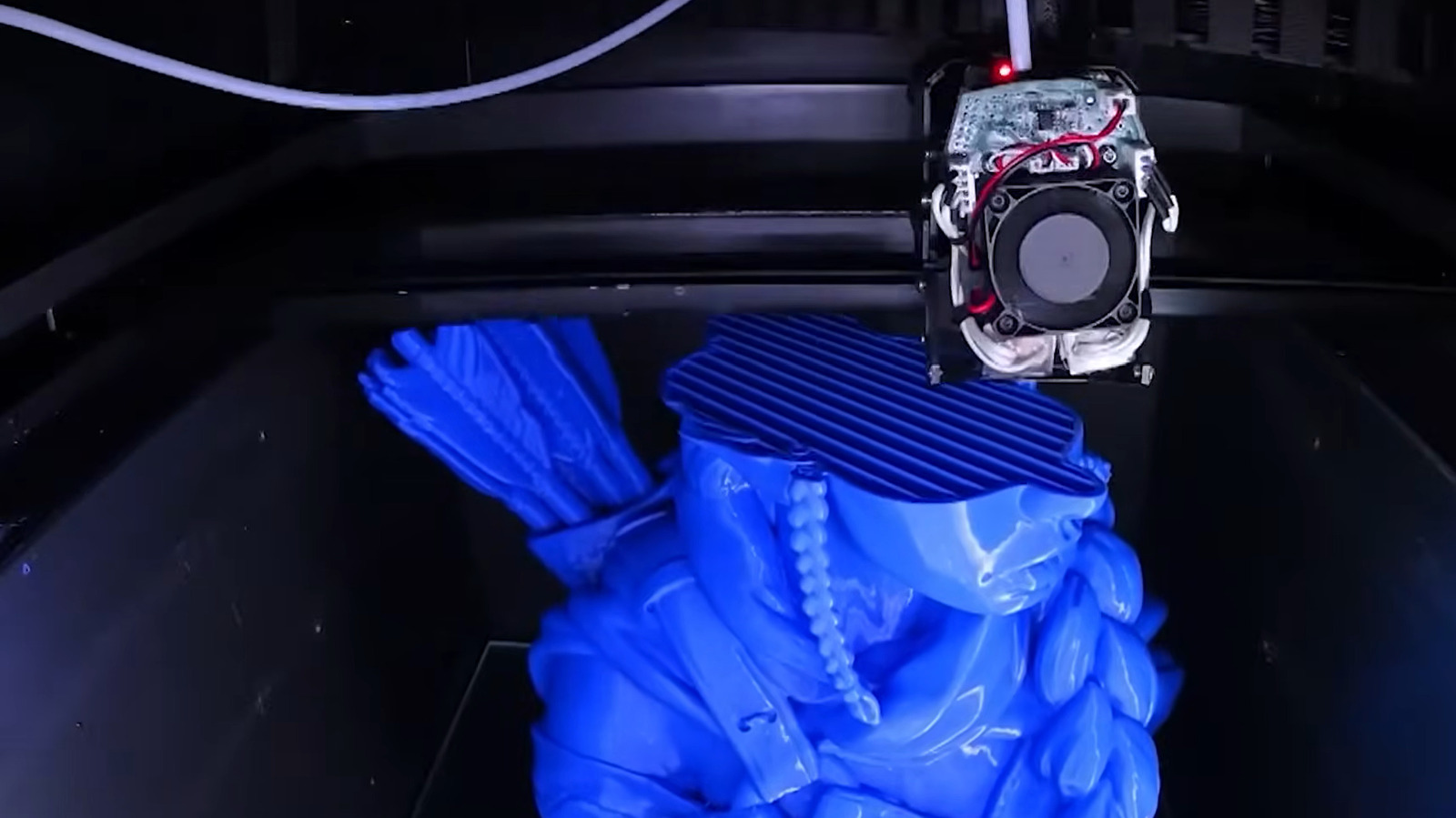
Fused Deposition Modeling (FDM) is one of the most popular 3D printing technologies, building objects layer by layer using thermoplastic filaments. FDM printers begin with a computer-aided design (CAD) file, which is translated into printable instructions. The printer heats spools of filament through a nozzle, depositing melted plastic onto a build plate following the CAD's pathways. Each layer fuses to the previous one, continuing until the object is complete.
Common FDM materials include polylactic acid (PLA), an inexpensive biodegradable plastic favored by beginners, and PET G, known for durability and print accuracy. Other options include ABS, TPU, nylon, wood, and metal filaments. However, some materials require high temperatures, special nozzles, or proper ventilation.
FDM printers offer quick turnaround times, making them ideal for prototyping and budget-friendly production. They are low-cost and require minimal maintenance. However, FDM models have lower resolution and struggle with fine details. Warping and structural weakness along the z-axis are common issues. For high-precision parts, manufacturers like Apple use industrial-grade printers capable of printing materials like titanium. Beginners can start with affordable FDM printers, while advanced users may upgrade to brands like Prusa Research, Bambu Lab, or Ultimaker.
Source: Engadget · Summarized by HeadlinesBriefing