
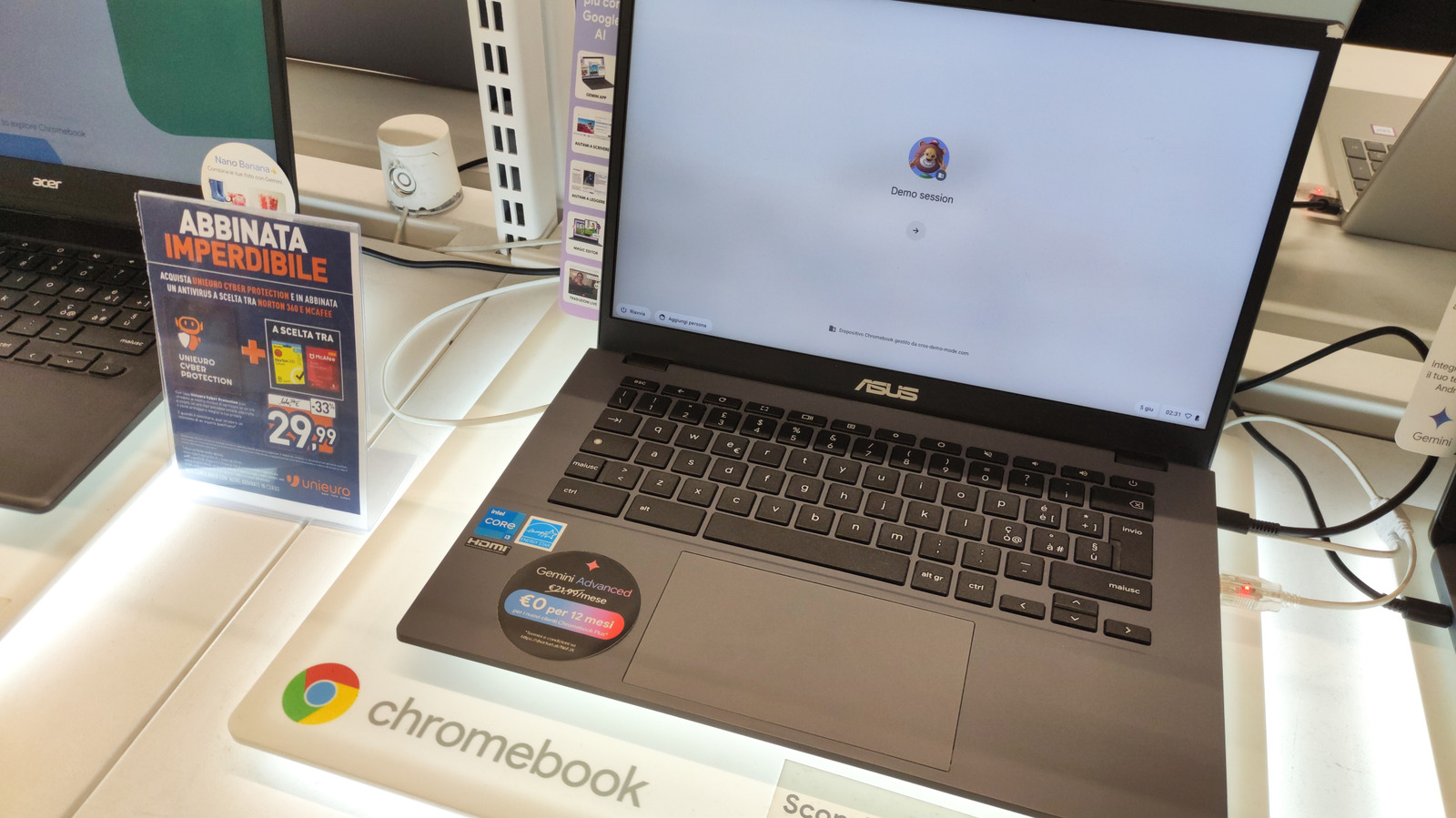
Googlebooks represent a significant evolution over traditional Chromebooks, running an Android-based OS that natively supports most Android apps at full performance, unlike Chrome OS's emulation approach. They offer superior hardware specs starting at 16GB RAM and 256GB storage, with up to 14 hours of battery life. Integration with Android phones is seamless, allowing app access and file syncing without transfers. Googlebooks are built by partners like Acer, Dell, and Lenovo with carbon-fiber chassis and high-end processors, all featuring Gemini built-in.
However, price remains a major factor: Chromebook Plus models start under $500, while Googlebooks begin at $899 and reach $1,299. Chromebooks excel for basic tasks like web browsing and document editing, making them suitable for light usage. Googlebooks are better for demanding tasks like video editing and gaming.
Chromebooks have been around for over a decade, offering a mature platform with fewer bugs, while Googlebooks are a new ecosystem with potential growing pains. Both receive security updates through 2034.
Source: Engadget · Summarized by HeadlinesBriefing