
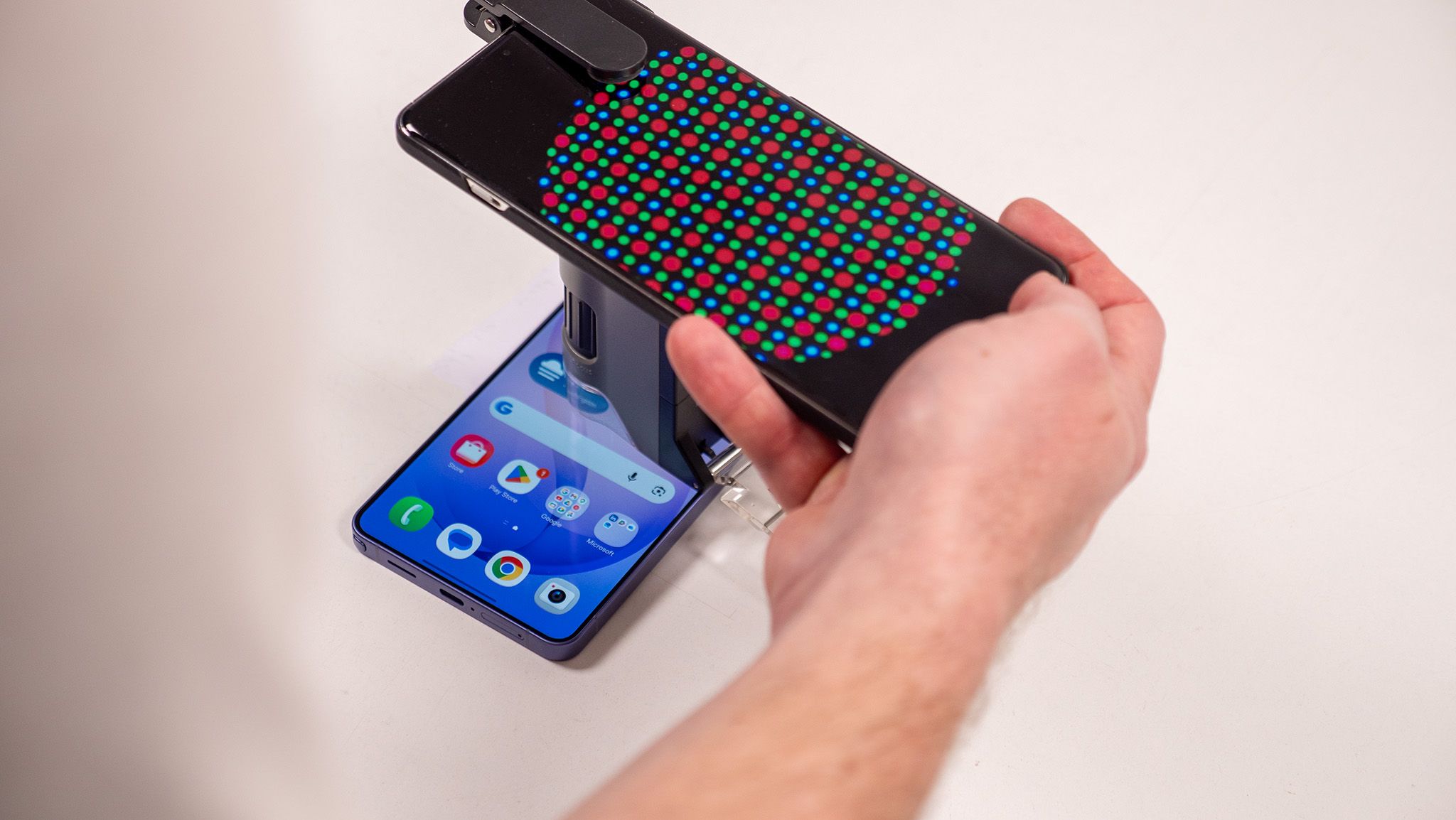
Samsung's Galaxy S26 Ultra launched with bold claims about its display, but those claims have proven misleading. The company advertised the screen as a true 10-bit panel capable of showing over a billion colors, but it's actually an 8-bit display using dithering techniques to simulate 10-bit color reproduction. This revelation follows Samsung's confirmation to Android Authority about the actual panel specifications.
Color banding has long plagued Samsung's flagship displays, making gradients appear with visible color separation. The S26 Ultra's display shows dramatic improvement in this regard, with smooth gradients in 10-bit HDR content that were previously impossible on Galaxy devices. However, this improvement comes from software simulation rather than hardware capability. The technique appears to be more sophisticated than traditional FRC (Frame Rate Control) dithering, though Samsung hasn't disclosed its exact methodology.
The controversy raises concerns beyond marketing claims. While the visual results are impressive, the use of temporal dithering can cause issues for users sensitive to display flicker. Some individuals experience headaches, eye strain, or dizziness from these techniques. This mirrors earlier problems with PWM dimming, where companies implemented features without considering accessibility impacts. The Galaxy S26 Ultra's low-frequency PWM already makes it unsuitable for flicker-sensitive users, and the addition of dithering techniques could expand that affected population.
Source: Android Central · Summarized by HeadlinesBriefing