
Last month, OpenAI announced that it had produced an AI-generated proof for the Navier-Stokes problem, one of the most famous unsolved questions in mathematics. Only a few years ago, large language models (LLMs) were known for being bad at counting. Now they are tackling math problems that have stumped humans for decades, raising pointed questions about what remains for professional mathematicians.
The shift is also reshaping classrooms. Now that LLMs can complete a student's homework, teachers at universities are struggling to keep up with the challenge of AI in education. It is clear that AI is changing both how math is taught and how it is practiced by professionals, and the effects are arriving quickly.
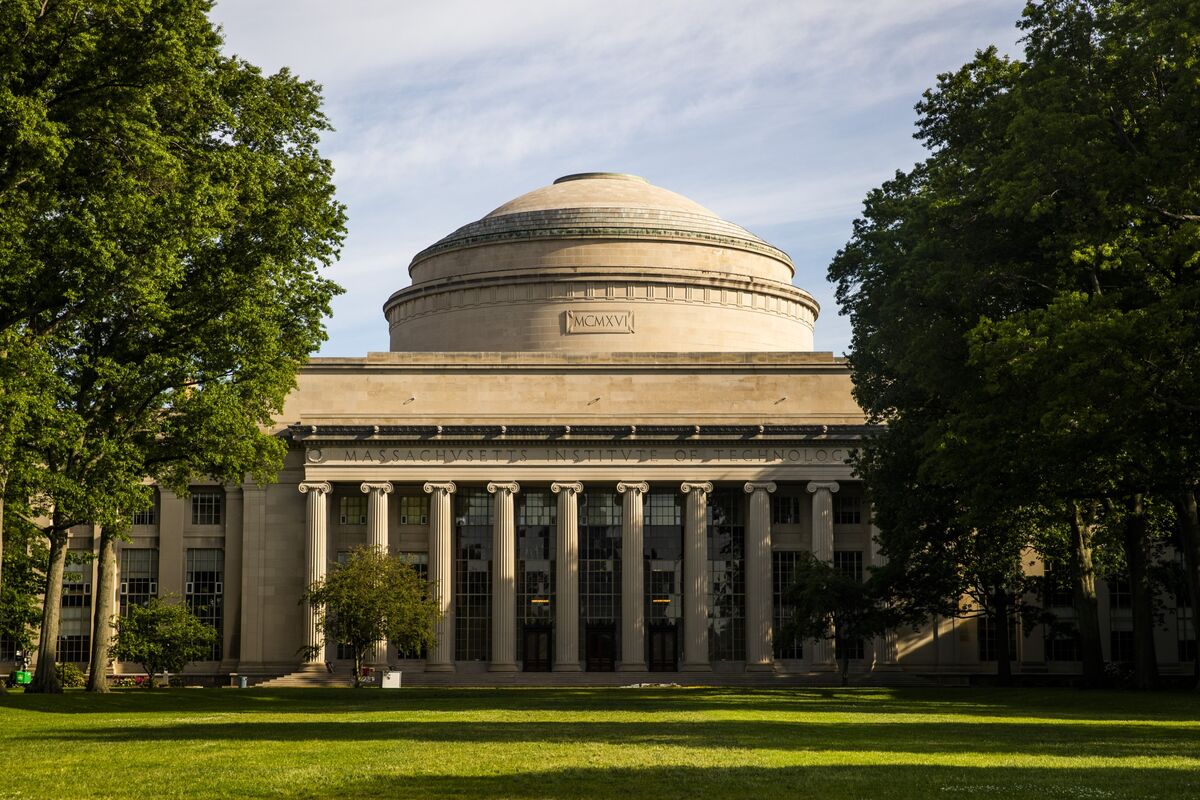
On this episode of Odd Lots, Justin Solomon, associate dean for engineering education at MIT, offers a primer on how pure and applied mathematicians are responding to these advances. He explains what the Navier-Stokes problem actually is and why OpenAI's proof is hard even for experts to parse.
Solomon also discusses what movies get wrong about how mathematicians do their jobs and how he is adjusting his own teaching approach in the age of AI.
Source: Bloomberg Markets · Summarized by HeadlinesBriefing