
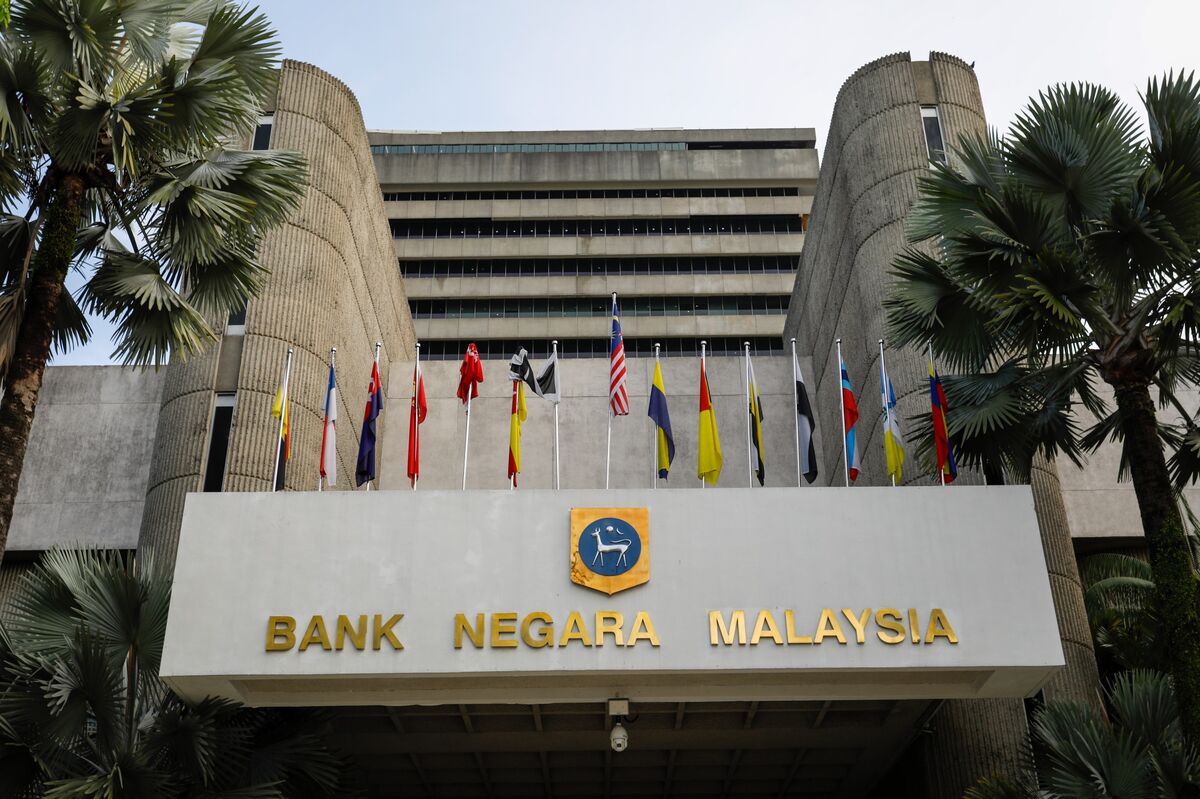
Bank Negara Malaysia is expected to maintain its overnight policy rate at 2.75% Thursday, resisting pressure to cut borrowing costs despite escalating tensions in the Middle East. The central bank’s cautious approach reflects a delicate balancing act between sustaining economic momentum and managing inflation risks tied to surging oil prices and geopolitical volatility. OCBC economists warn a 10% spike in global oil prices could push Malaysia’s annual headline inflation by 0.4-0.6 percentage points, complicating the central bank’s path. Malaysia’s economy has outperformed regional peers in 2025, driven by resilient consumer spending and exports, but U.S. tariff hikes and disrupted supply chains are casting shadows over growth forecasts.
The ringgit has gained 3% against the dollar this year, defying regional headwinds, as markets bet on eventual tightening. However, HSBC analysts caution that tariff uncertainty—particularly around Malaysia’s revised trade deal with Washington—could undermine its manufacturing competitiveness. Bank Negara’s decision to hold rates signals confidence in domestic resilience, yet economists like Mohd Afzanizam stress the need for flexibility: “They would like to convince the business community they stand ready to react depending on economic conditions.”
War-driven commodity shocks and shifting U.S. trade policies have created a “double whammy” for Asian economies, per Oversea-Chinese Banking Corp. Reports. Malaysia’s central bank faces mounting pressure to address inflation without stifling growth, especially as semiconductor tariffs threaten a key export sector. Despite risks, Ringgit swaps price a 20%+ probability of a rate hike within 12 months, suggesting policymakers are preparing for tighter monetary conditions later this year.
Malaysia’s stance highlights a broader regional dilemma: how to navigate geopolitical turbulence while maintaining economic stability. With oil prices and U.S. tariffs acting as wildcards, Bank Negara’s communication strategy will be critical in managing expectations. The central bank’s next move—whether to signal tightening or maintain accommodative policies—could set the tone for Southeast Asia’s monetary outlook.
Source: Bloomberg Markets · Summarized by HeadlinesBriefing