
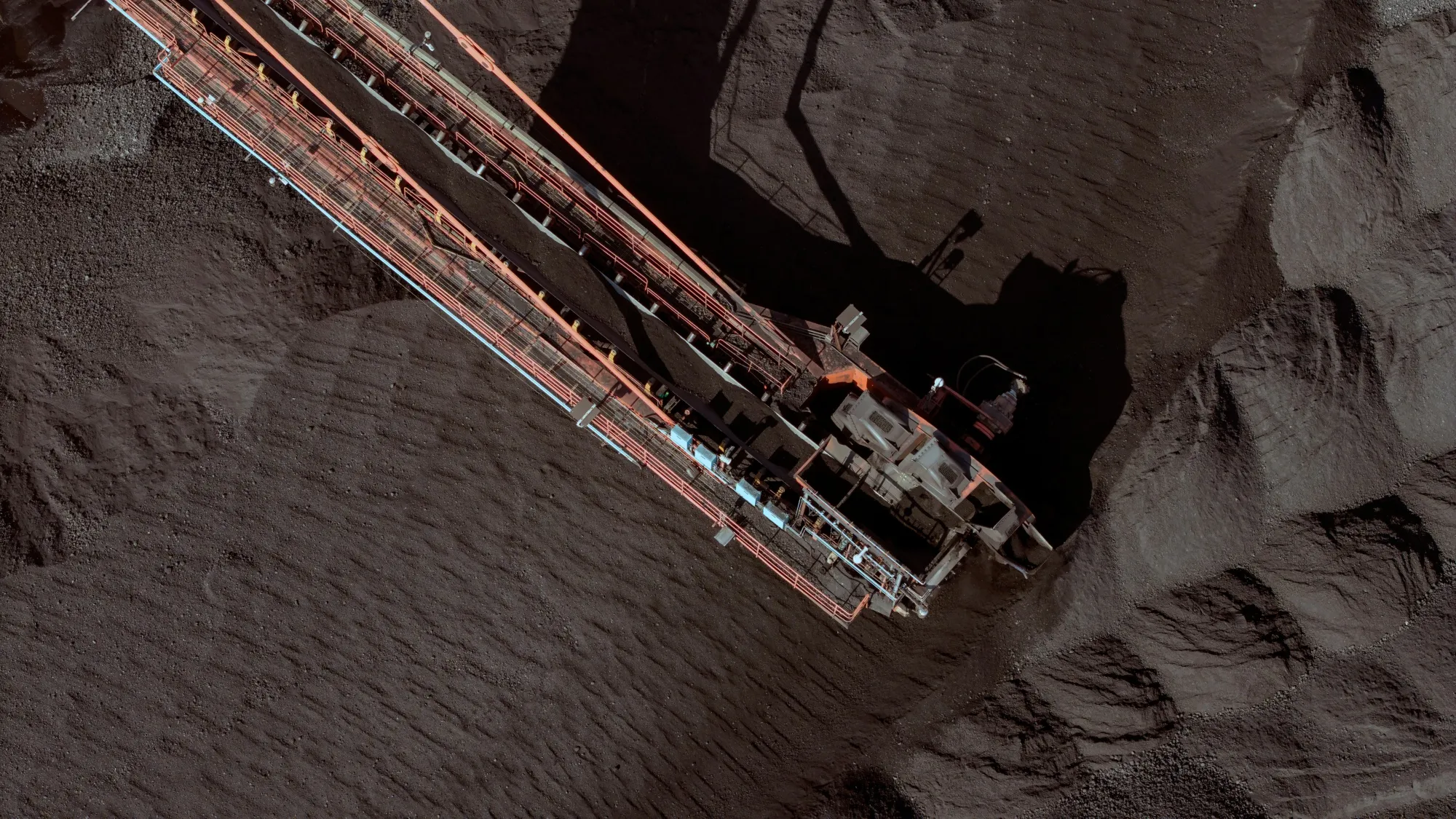
China’s energy reserves face a critical test as coal and natural gas production declines just as winter heating demand begins. Despite ample stockpiles and diversified energy sources, a mining slowdown in Shanxi province—triggered by safety inspections following a deadly May explosion—has reduced coal output for six consecutive months. Coal remains the backbone of China’s power grid, supplying roughly half of the nation’s electricity. Natural gas output has also fallen, with Cnooc Ltd. reporting a 7% drop in second-quarter volumes due to maintenance at offshore fields. While current inventories remain healthy—coal stocks at major generators exceed the five-year average and gas storage is 80% full—Beijing’s long-standing buffer against global energy shocks is weakening. Renewables, nuclear, and milder weather forecasts offer partial relief, but sustained fossil fuel production is essential. Officials have urged mine restarts, yet September data shows no rebound. As seaborne coal and LNG prices hover near multiyear highs, China’s energy security hinges on restoring domestic output before winter peaks.
The article also notes broader commodity shifts: copper prices surge on tariff fears under Trump’s renewed term, oil fluctuates amid Middle East supply stability and diplomatic overtures, European power demand rises after years of decline, and an investor with Trump ties expands copper ventures in Armenia. Australia’s largest data-center project faces power shortages, underscoring infrastructure bottlenecks in AI expansion. Upcoming events include energy summits in Tokyo, London, and Hamburg, alongside earnings reports and inventory data.
Source: Bloomberg Markets · Summarized by HeadlinesBriefing