
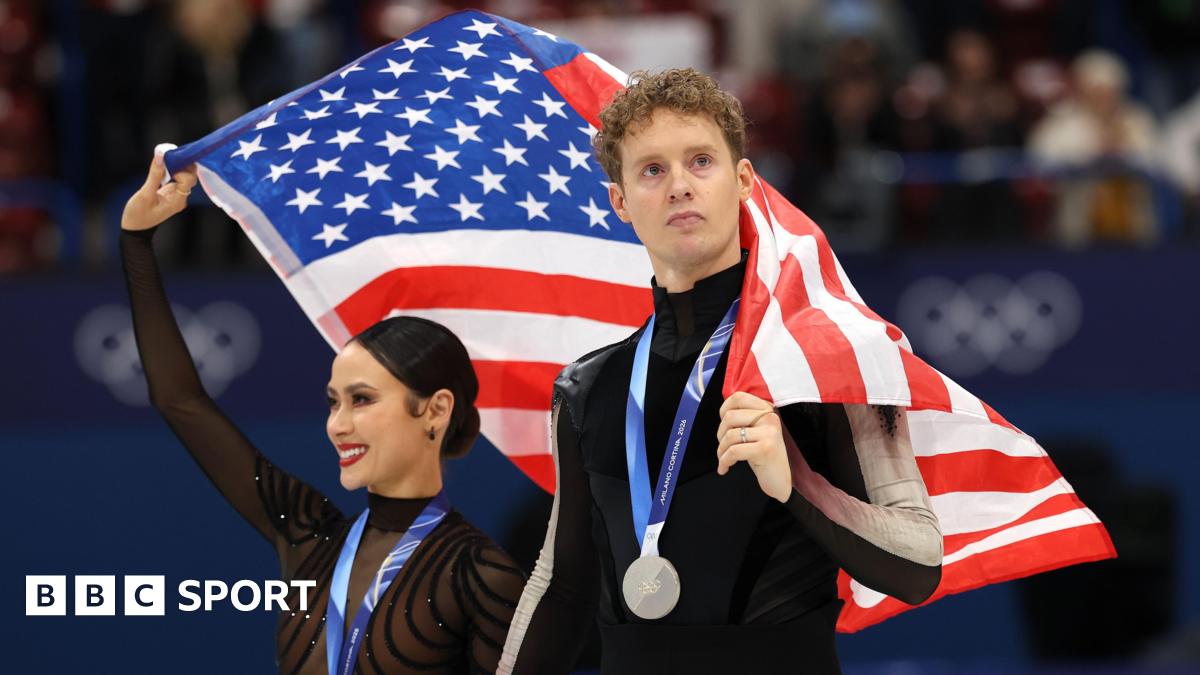
Jezabel Dabouis drew scrutiny as the lowest-scoring judge at the Milan-Cortina 2026 Olympics, awarding Madison Chock and Evan Bates just 129.74 points in ice dance—eight points below their competitors. While seven judges gave the U.S. team scores above 132, Dabouis’s rating triggered debates about bias. The ISU defended the panel, stating score variance is normal and mechanisms exist to ensure fairness, but critics argue transparency is lacking.
A Change.org petition demanding an investigation surpassed 18,500 signatures, with silver medalist Chock publicly questioning the opacity of results. "Any time the public is confused by results, it does a disservice to our sport," she said, emphasizing fans’ need to understand scoring. The controversy echoes past issues, including Canadian duo Piper Gilles and Paul Poirier’s post-bronze critique of "strange games" in judging.
The ISU plans to overhaul judging under its 2030 Vision, integrating AI to analyze technical elements like jump rotation and edge quality. Cameras testing AI tracking aim to reduce human error, particularly in ice dance where artistry clashes with technical scoring. Judges will focus on creativity while AI handles precision, though implementation timelines remain unclear.
Reforms come as figure skating grapples with recurring controversies. At the Grand Prix Final, veteran skaters like Lilah Fear faced inconsistent scores despite strong performances. With AI’s potential to standardize technical evaluations, the sport hopes to balance objectivity and artistry—but skepticism about judging integrity persists ahead of future competitions.
Source: BBC Sport · Summarized by HeadlinesBriefing