
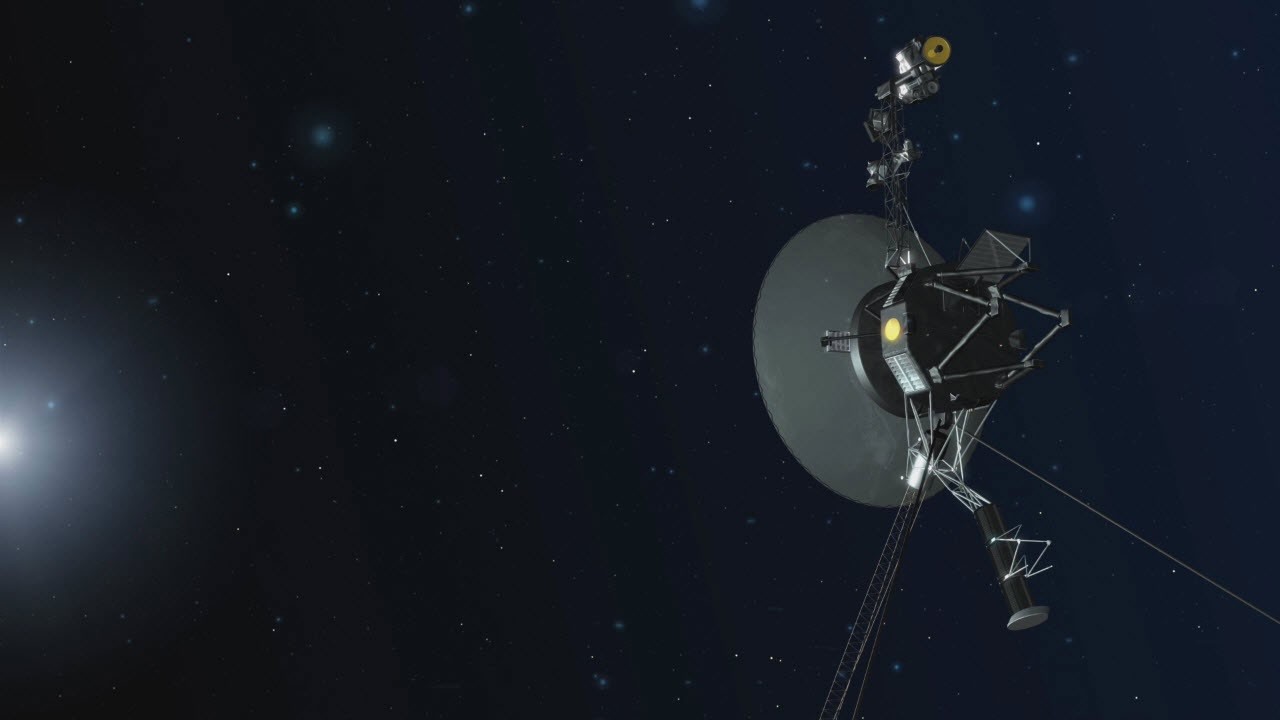
A light-day is the distance light travels in one day, roughly 25.9 trillion kilometers. Voyager 1, launched in 1977, is approaching this boundary after more than four decades of interstellar travel. The spacecraft crossed into interstellar space in 2012, and recent data indicates it is now within a light-day of the heliopause.
This milestone highlights the immense scale of the solar system's reach. Engineers monitor Voyager's diminishing power supply as it sends back rare data from the edge of the Sun's influence. Its journey continues to provide unprecedented insights into the space environment beyond planets.
The probe's continued operation against odds is a testament to robust engineering from the late 1970s. Scientists anticipate new discoveries as it ventures further into the unknown galaxy. Its speed, though vast, means it will take thousands of years to reach the nearest star system.
The mission's longevity offers a unique perspective on humanity's place in the cosmos. As it crosses this threshold, the achievement underscores the patience and precision of deep space exploration. Voyager 1 remains the farthest human-made object from Earth, a true pioneer of the final frontier.
Source: Hacker News · Summarized by HeadlinesBriefing