
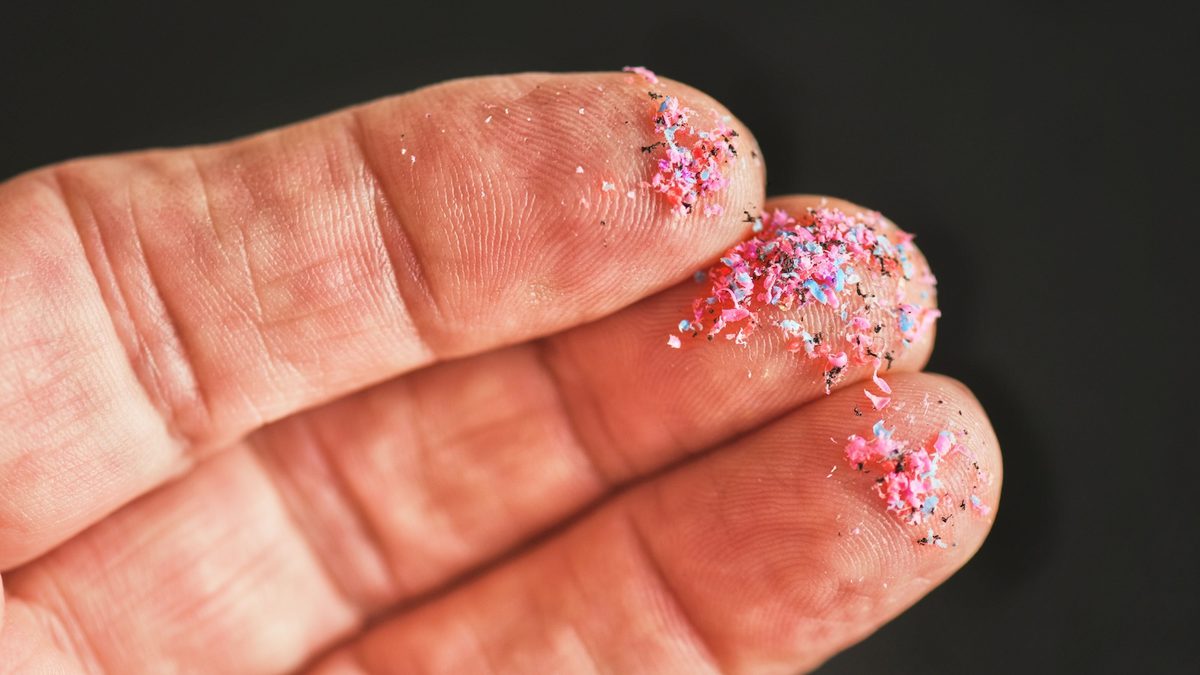
Research into microplastics within the human body faces significant hurdles due to pervasive contamination and unreliable analytical techniques. Cassandra Rauert, an environmental chemist at the University of Queensland, has detailed these challenges, including how lipids in blood can produce false positives for polyethylene, a common plastic. This suggests previous findings on human microplastic levels may be inflated.
Rauert and her team built a specialized, plastics-free lab using stainless steel and glass to mitigate contamination from lab equipment, construction materials, and air. This meticulous approach addresses the difficulty of accurately measuring microplastics when the research environment itself is a source of plastic particles and fibers. The goal is to establish reliable baseline measurements to understand the actual health impacts.
She notes that the widely circulated claim of consuming a credit card's worth of plastic weekly has been debunked. Rauert also points to synthetic fibers from clothing dryers and tire wear particles as significant sources of home contamination. Understanding these pathways is essential for developing accurate methods to study microplastic exposure and its biological consequences.
Source: Hacker News · Summarized by HeadlinesBriefing