
Biogeochemist Jeroen Sonke’s recent sampling effort inside apartments and cars revealed alarming concentrations of airborne microplastics, specifically fragments between one and 10 micrometres. These smaller particles pose a greater inhalation risk as they penetrate deeper into lung tissue compared to larger fragments. Sonke found an average of 500 fragments per cubic meter indoors, but this figure jumps dramatically inside vehicles.
Researchers estimated daily inhalation for an infant could range between 19,000 and 75,000 of these concerning particles. A major hurdle in this field involves standardizing measurement; experts admit there is currently no gold standard approach for accurate microplastic quantification across studies. Sonke’s team employed Raman microscopy to detect particles down to the 1 micrometre level, improving upon standard microscopes.
Practical mitigation strategies focus on reducing synthetic fiber shedding. Owners can install washing machine filters, which reportedly reduce microfibres in wastewater by up to 90%, and opt for larger laundry loads to decrease friction. Alternatively, switching entirely to natural fibers like cotton or wool limits exposure, though these materials carry their own resource consumption trade-offs.
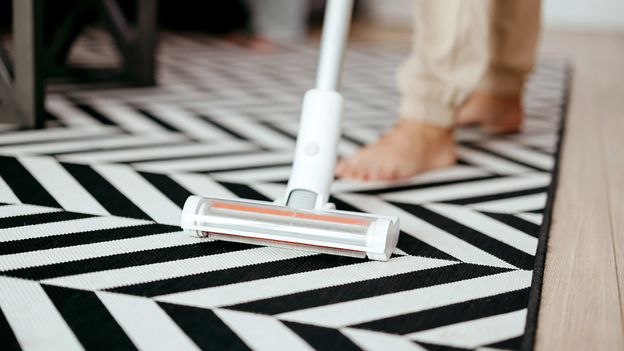
For dealing with settled dust, thorough vacuuming is necessary, but users should wear an N95 mask during the process to avoid resuspension into breathing zones. Emptying canisters must also occur in well-ventilated areas to prevent a sudden release of captured particulates.
Source: Hacker News · Summarized by HeadlinesBriefing