
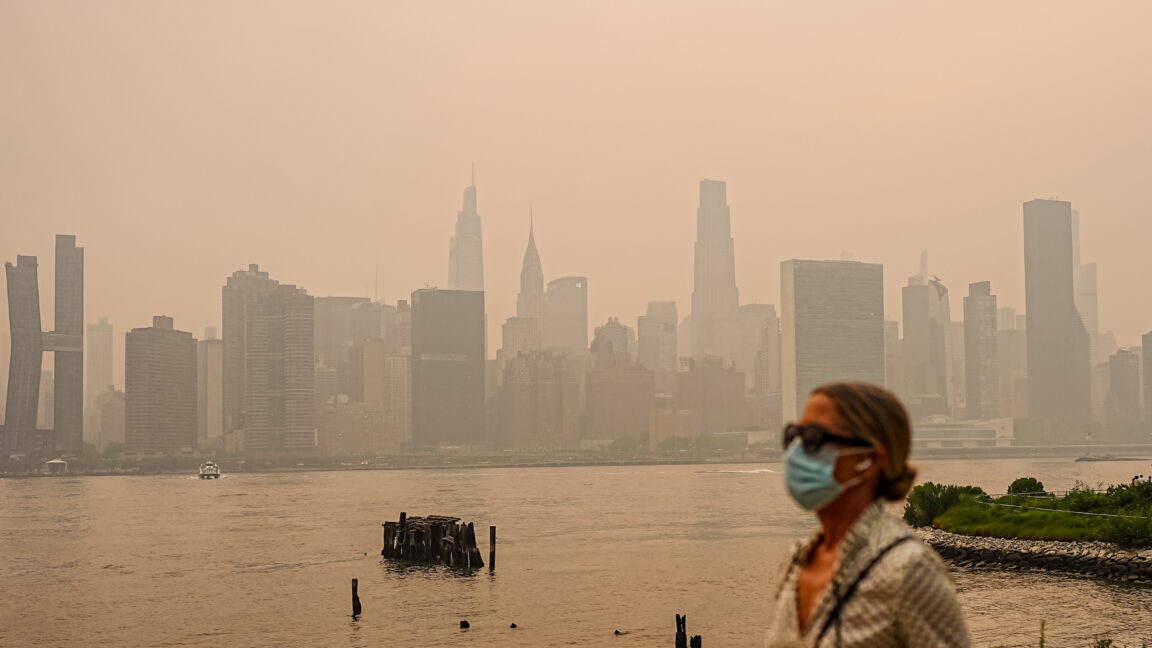
Regulations have reduced prenatal exposure to harmful emissions, but wildfire smoke is erasing those gains.
The study, led by Boudreaux, uses Purple Air data to show PM2.5 levels inside homes during fires. It does not assess mask use or filtration, a limitation Boudreaux acknowledges. Wildfire contributions to air pollution more than doubled in the West and Northwest, disproportionately affecting low‑income, rural, and American Indian and Alaska Native communities that often lack neonatal care.
Early‑life exposure can cause lifelong health problems, so reducing prenatal exposure yields long‑term benefits. Boudreaux warns that recent catastrophic fires in the West and Canada may increase unhealthy prenatal exposures by 2026. Currently, wildfire smoke accounts for a growing share of acute, massive air pollution days that endanger babies.
Addressing the threat means providing clean‑air shelters, air filters, and better healthcare access. Boudreaux suggests asking broader questions about climate‑change mitigation. The article originally appeared on Inside Climate News.
Source: Ars Technica · Summarized by HeadlinesBriefing