
Thank you for being a regular reader of An Africanist Perspective. If you haven't done so yet, please hit subscribe to receive timely updates on new posts along with over 36,000 other subscribers. New regular content is free. Book reviews and the archives are gated.
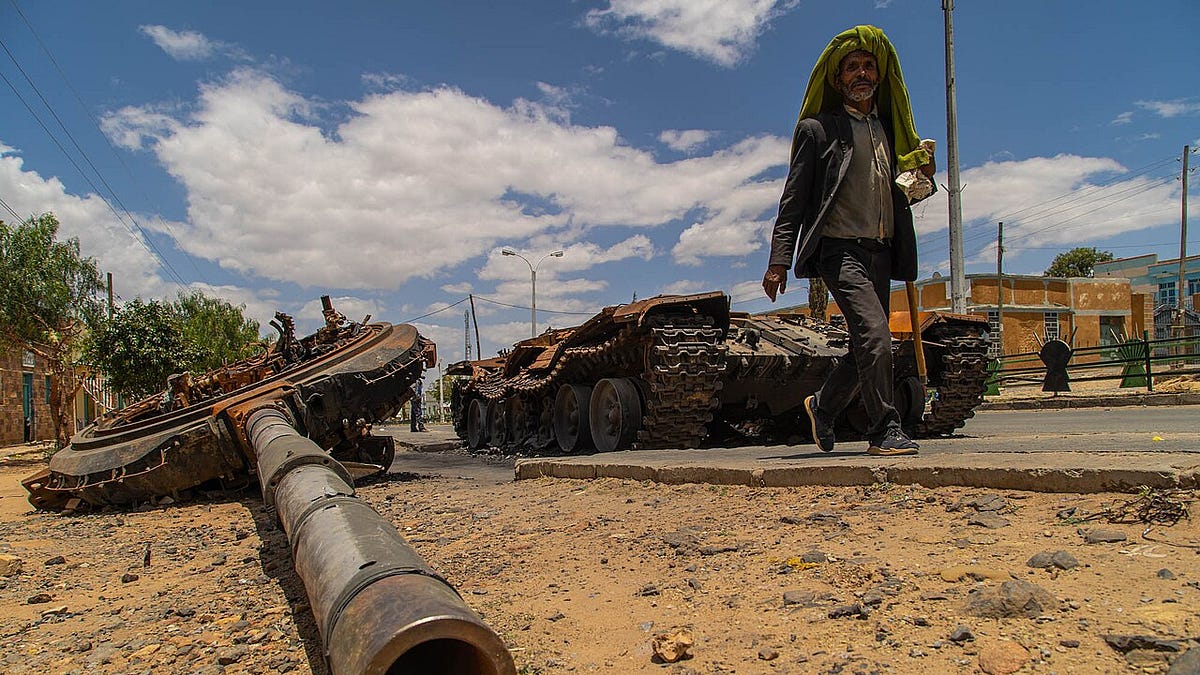
On 23 September, large-scale hostilities broke out between the Tigray People's Liberation Front (TPLF) and Amhara Fano militias on one side, and the federal government and allied Tigrayan forces on the other. Responsibility for the escalation lies primarily with the TPLF, which launched ground assaults in coordination with other rebels in a new alliance vowing to overthrow Ethiopia's government.
The upsurge in fighting comes almost five months after the TPLF retook power in the Tigray region, dealing a blow to a 2022 peace deal that had ended the last Tigray war and leading Addis Ababa to mount an intensifying drone campaign against TPLF forces. I maintain that war in Ethiopia (and the wider Horn) is not inevitable. The current outbreak of war reflects the fact that Ethiopian elites keep choosing war over peace.
The last three decades in Ethiopia have been a search for a new myth. The ethno-federalist system had legitimate logic: bringing about the dignity of (cultural and linguistic) difference between nations and nationalities. However, its rhetoric was drawn from the difficult past instead of the hope of better future. To make matters worse, it became a breeding ground for social and economic injustice. In light of all this, Teklehaymanot G. Weldemichel is spot on in making the case for following through on the Pretoria Agreement.
Source: Hacker News · Summarized by HeadlinesBriefing