
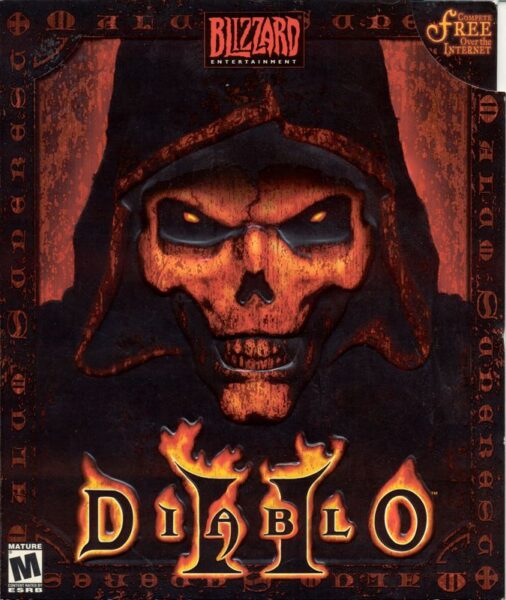
The Satanic imagery of the Diablo series, with "Diablo" meaning "Devil" in Spanish, would have sparked moral panic a decade earlier. In the late 1990s and early 2000s, however, the game faced no such backlash. [Diablo II] features a character progression where players defeat enemies and collect rewards, featuring overriding goals and numerous sub-goals. The gameplay is straightforward, with clear objectives and automatic actions, making it easy to click.
David Brevik and Max Schaefer noted the game lacks ambiguity regarding player goals. Upon [Diablo] release, Blizzard Entertainment quickly recognized a hit. Within months, it became clear this was an era-defining sequel following [Warcraft II]. Blizzard convinced the team to develop [Diablo II] as an opportunity to implement features missed in the first game and address player feedback. The design philosophy focused on a simple loop: minimal effort for maximal reward. The team wrestled with adding complexity, fearing it would dilute the core [Diablo] feel. Phil Shenk noted the team questioned if they were ruining the formula, ultimately committing to the mission statement: "We aren't making a CRPG. We're making a Diablo."
Despite tripling staff to about 40 people, development took far longer than anticipated. This period saw industry consolidation and a flood of [action RPGs] trying to duplicate [Diablo's] success. As the turn of the millennium approached, the industry landscape shifted, influenced by Blizzard and [id Software]...
Source: Hacker News · Summarized by HeadlinesBriefing