
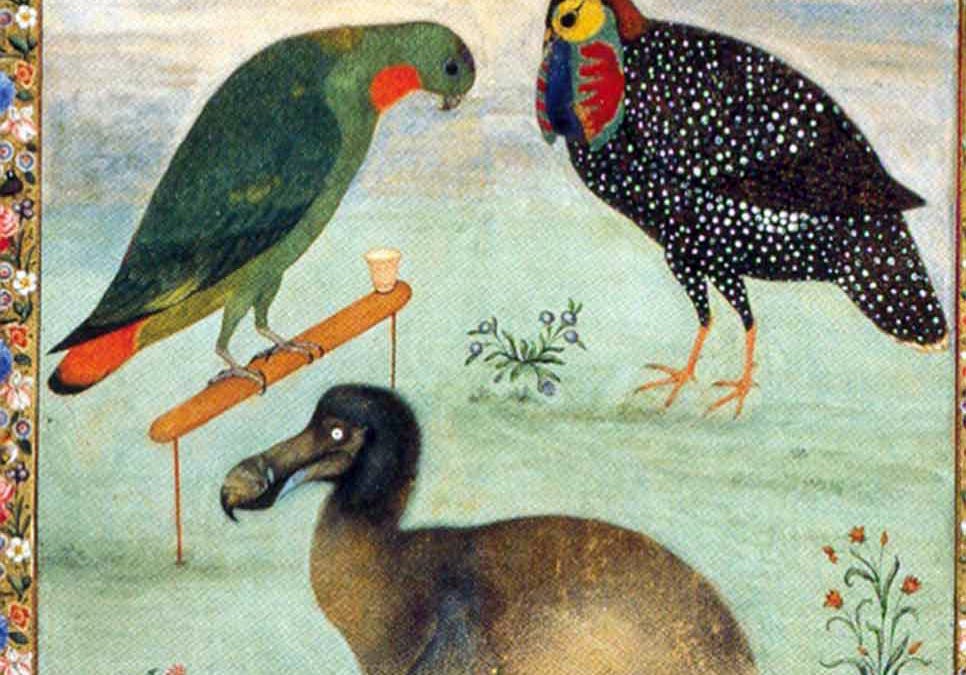
Another frontier model has broken a historical cipher, this time helping uncover a previously unnoticed Dutch report of dodo hunting from 1615. Security researcher Carter Church used GPT-6 Astra to crack a Napoleonic-era cipher, showcasing how AI agents can assist in historical sleuthing. The process mirrors traditional research: define a question, gather sources, run semantic searches, and iterate through candidates.
But AI agents like Opus 5.5 can spawn multiple instances to scan multilingual archives rapidly. The GLOBALISE archive of Dutch East India Company records served as the corpus. Most findings aligned with existing scholarship on the dodo, the extinct Mauritius bird studied since its extinction around 1681.
However, one manuscript from 1615—a ship’s log—appears newly discovered. Written by Isbrant Cornelisz van Petten, captain of the Wapen van Amsterdam, the journal records the crew catching tortoises, dodos [dodeoren], geese, and parrots on Mauritius in April 1615. This eyewitness account adds to the sparse primary source base for the dodo, illustrating how AI can surface overlooked historical documents through scalable, reproducible methods.
Source: Hacker News · Summarized by HeadlinesBriefing