
My lab develops low-cost tools for identifying fake medicines, but we're always looking for other types of fakes to tackle. The cosmetics industry faces a massive counterfeit problem, with studies estimating two-thirds of branded makeup and skincare products on sites like eBay, TikTok Shop, and Vinted are fake. Counterfeit cosmetics waste consumers' money and may expose wearers to harmful contaminants like heavy metals and bacteria.
As part of an ongoing study, I've been purchasing authentic and counterfeit cosmetics, struck by how much work fraudsters put into making fakes look authentic. At a glance, counterfeit versions are virtually indistinguishable from genuine ones. However, close inspection reveals inconsistencies that give away the fakes. Not everyone has time or expertise to research packages before buying.
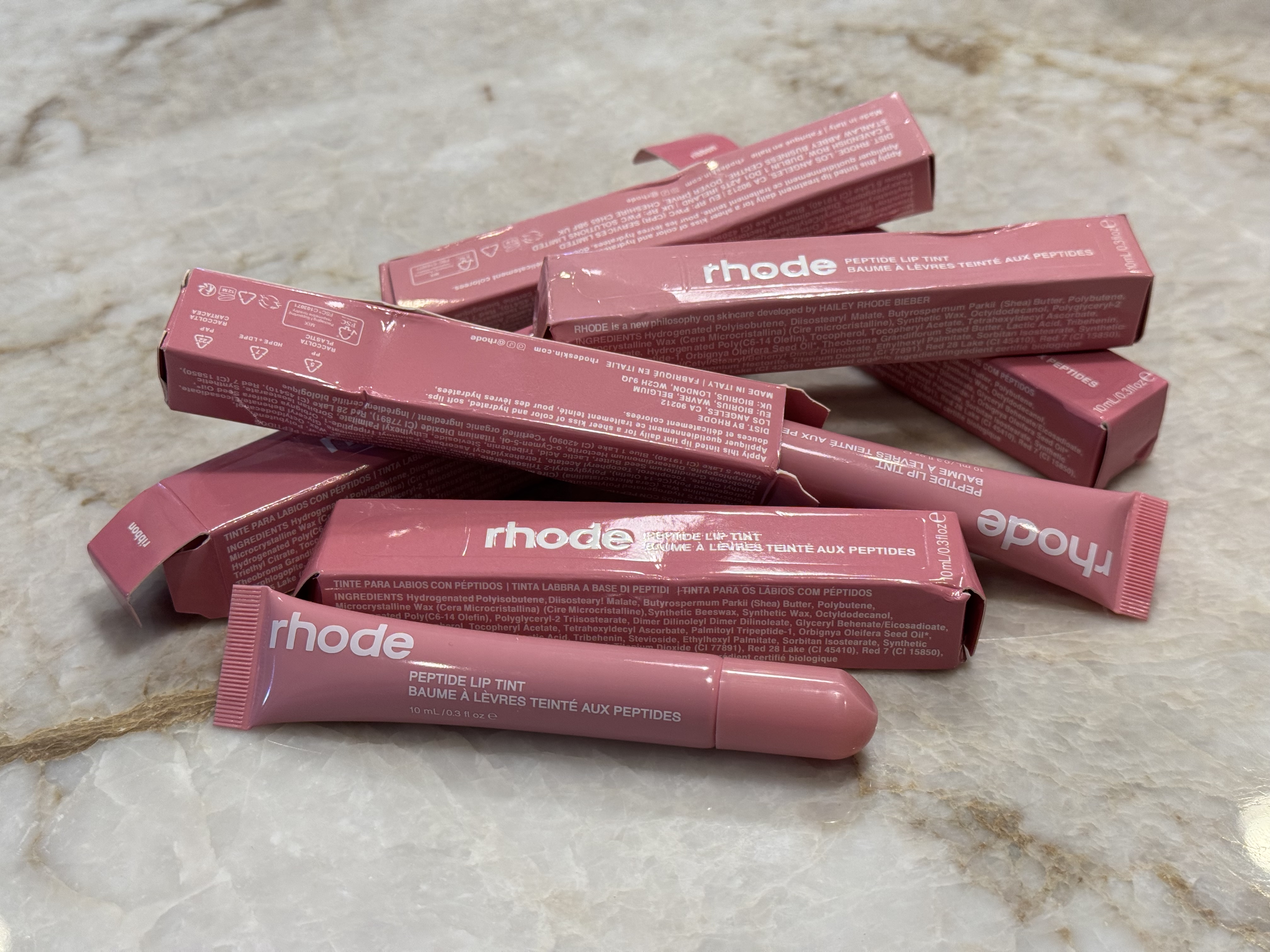
This led me to wonder: could existing AI models identify counterfeit products? Consumers could snap photos and use ChatGPT, Gemini, or Claude to verify authenticity before purchasing. I took photos of three packages of "Rhode Peptide Lip Tint," a known counterfeit target per a recent New York Times article. For each package, I took four photos of the box and two of the tube, uploading six photos to Google Gemini with the prompt: "Is this tube of Rhode Peptide Lip Tint authentic?"
Package A is fake, purchased for about $5 from a sketchy eBay seller (authentic costs around $20). Gemini correctly identified it as counterfeit due to typographical errors, including misspelling Diisostearyl Malate as Diisosteary! Malate using an exclamation mark.
Source: Hacker News · Summarized by HeadlinesBriefing