
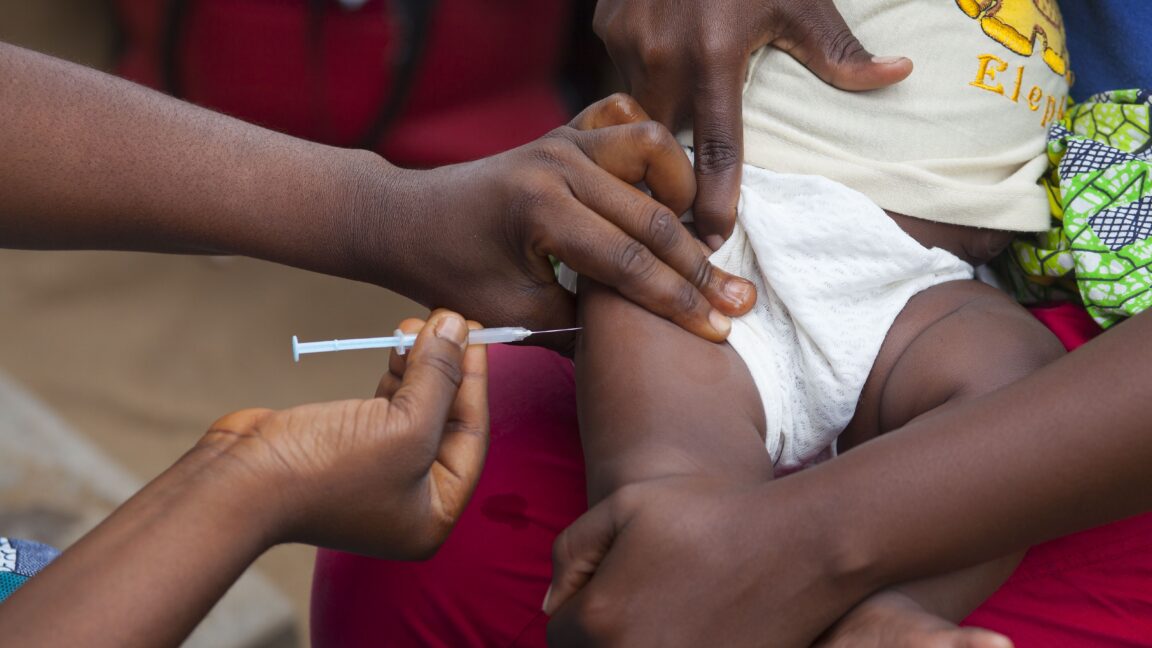
On Friday the World Health Organization issued a formal condemnation of a U.S.-funded study that would withhold a proven hepatitis B vaccine from newborns in Guinea‑Bissau. The Centers for Disease Control and Prevention allocated $1.6 million to Danish researchers led by Christine Stabell Benn and Peter Aaby. Critics say the proposal violates basic ethical and scientific standards. The proposal sparked immediate backlash from immunologists and ethicists worldwide.
The trial plans to randomize 14,000 infants, giving the first dose either at birth or at six weeks, then tracking alleged safety signals. Guinea‑Bissau currently administers the dose at six weeks and aims to adopt a birth dose by 2028, but the WHO notes that withholding an established hepatitis B birth dose exposes children to chronic infection, cirrhosis and liver cancer.
Public health officials in Bissau announced a suspension pending ethical review, citing insufficient coordination. Earlier, Africa CDC warned the study would not proceed, yet the U.S. Health and Human Services department claimed it would move forward. With the trial on hold, the episode underscores how politicized vaccine funding can jeopardize proven interventions and erode trust in global health governance.
Source: Ars Technica - All content · Summarized by HeadlinesBriefing