
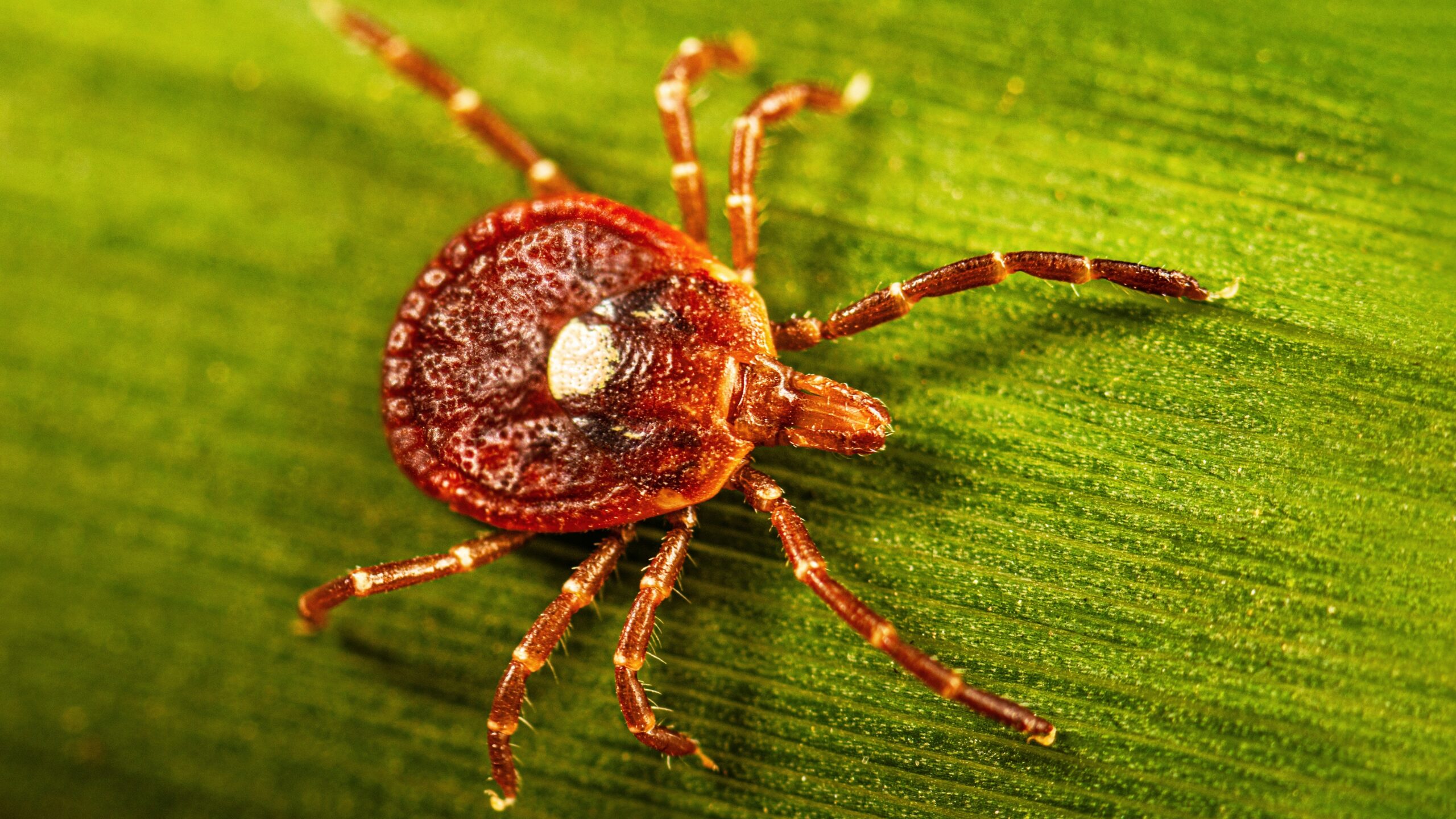
A significant portion of the US population, potentially up to 30 percent in some regions, may possess the antibody linked to a red meat allergy triggered by tick bites. This finding, published in the Morbidity and Mortality Weekly Report, suggests a far larger group is at risk for alpha-gal syndrome than the 0.14 percent previously estimated by the CDC. The allergy, which can cause severe reactions to red meat, dairy, and other animal products, is difficult to diagnose due to its delayed onset.
The study focused on the IgE antibody that targets alpha-gal, a molecule found in nonprimate mammals and present in the saliva of ticks like the lone star tick. When ticks transmit this molecule, individuals can develop antibodies that later cause allergic reactions to red meat. Symptoms, including hives, nausea, and potentially life-threatening anaphylaxis, can appear two to six hours after consumption, making the link to food consumption challenging.
This research underscores a substantial gap in understanding alpha-gal syndrome and its diagnosis. The prevalence of the antibody suggests many more individuals could experience severe allergic reactions after consuming red meat, posing a significant public health concern and highlighting the need for better diagnostic tools and public awareness regarding tick-borne illnesses and their consequences.
Source: Ars Technica · Summarized by HeadlinesBriefing