
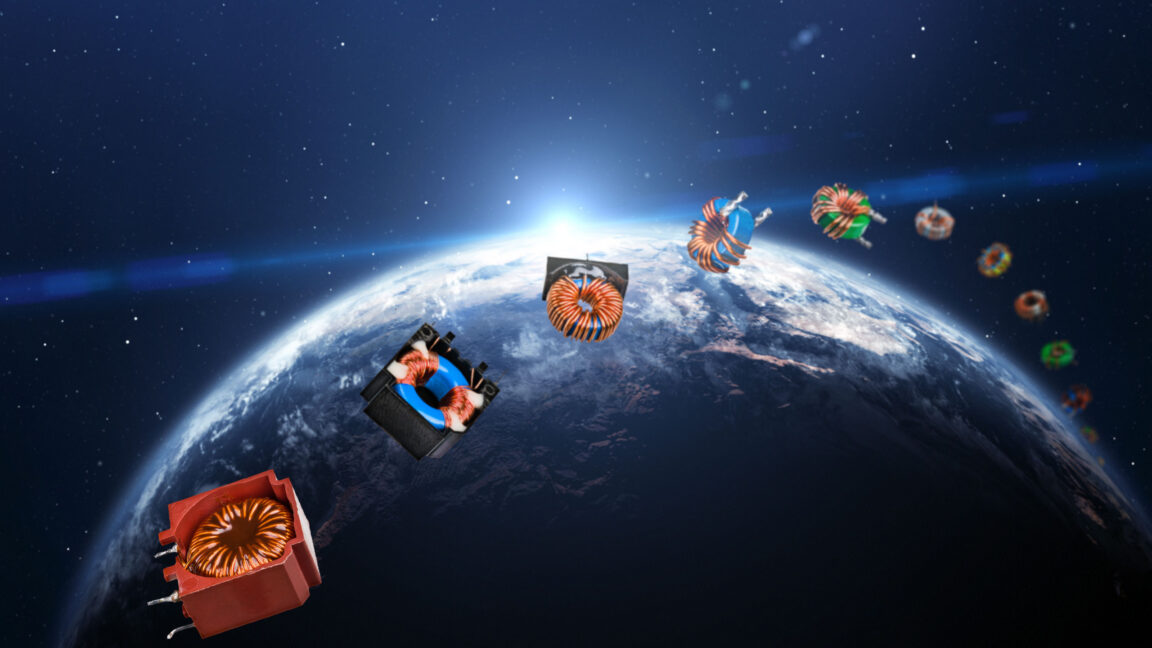
Elon Musk's proposal for a million-satellite AI data center constellation presents a novel approach to material sustainability — by exporting valuable resources into space. Unlike traditional e-waste concerns where materials escape recycling pipelines, this scheme would deliberately remove materials from Earth's system.
Based on SpaceX's May 29 FCC filing, approximately 200,000 of the proposed 1 million AI1 satellites would be decommissioned annually due to the typical five-year GPU lifespan. About 40,000 would deorbit and burn up in the atmosphere, dispersing materials globally and potentially causing ozone depletion through aluminum release. The remaining 160,000 would be moved to distant disposal orbits.
Conservative estimates suggest these satellites would annually export 1,000 tons of copper, 170 kilograms of gold, nearly 2 tons of silver, and significant quantities of palladium, thallium, bismuth, and titanium — roughly 1 percent of global annual palladium and thallium production.
The scale of material loss is comparable to mining asteroids ranging from 3 to 530 meters in diameter. While SpaceX has suggested lunar-based manufacturing to offset these losses, the technical and economic feasibility remains questionable. Environmental reviews for space projects may soon need to evaluate material removal from Earth's system, not just orbital debris concerns.
Source: Ars Technica · Summarized by HeadlinesBriefing