
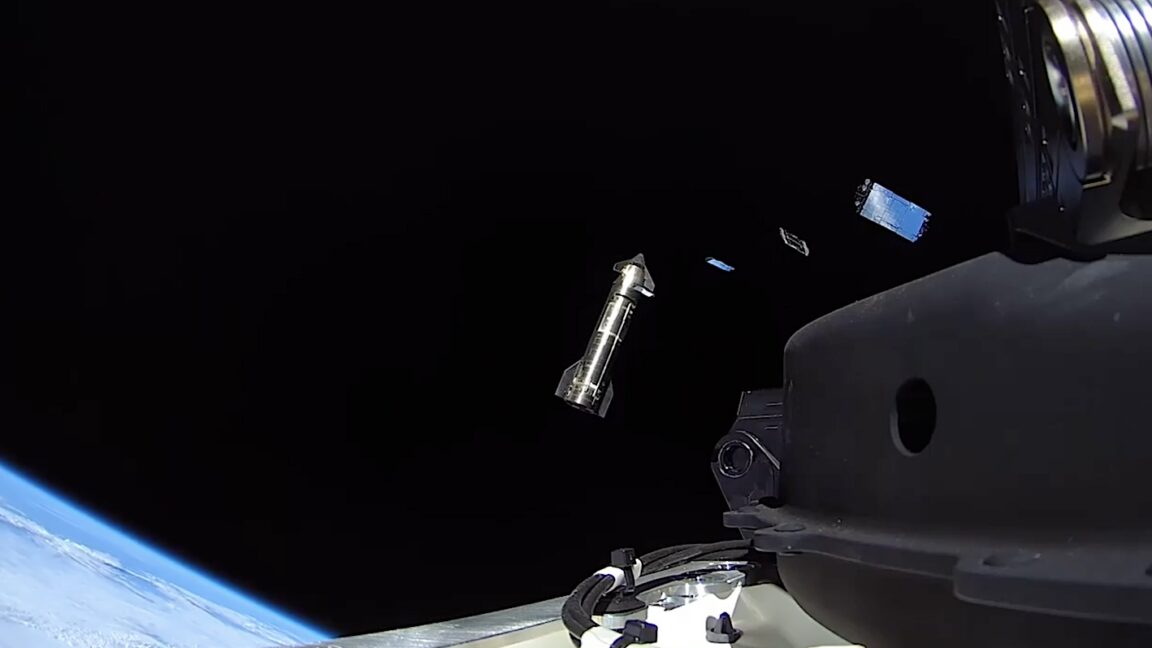
SpaceX is calling for improved data-sharing among satellite operators to prevent dangerous close approaches in orbit, following multiple near-misses involving its Starlink constellation. Michael Nicolls, SpaceX’s vice president for Starlink and president of xAI, made the appeal during a presentation at the International Astronautical Congress in Turkey. He noted that Starlink now operates over 11,000 satellites—about two-thirds of all active spacecraft in low-Earth orbit—and warned that without better coordination, the risk of collisions will grow as more megaconstellations launch.
Nicolls cited specific incidents where other satellites maneuvered without sharing their plans, resulting in conjunctions of tens to hundreds of meters—distances he described as "way too close to comfort." While there was no evidence of hostile intent, such as spying or intentional interference, the lack of communication created avoidable risks. He emphasized that tracking debris and predicting paths is possible, but avoiding collisions depends on operators sharing their ephemeris data.
With Amazon advancing its own satellite network and Chinese megaconstellations in full deployment, along with SpaceX’s long-term Starmind AI computing constellation plans, orbital congestion is increasing. Nicolls warned that while space is vast, the law of large numbers means collisions become statistically likely over time without norms or regulations. Currently, no global rules require satellites to broadcast their positions or coordinate maneuvers, leaving it to companies and governments to establish best practices for space traffic management.
Source: Ars Technica · Summarized by HeadlinesBriefing