
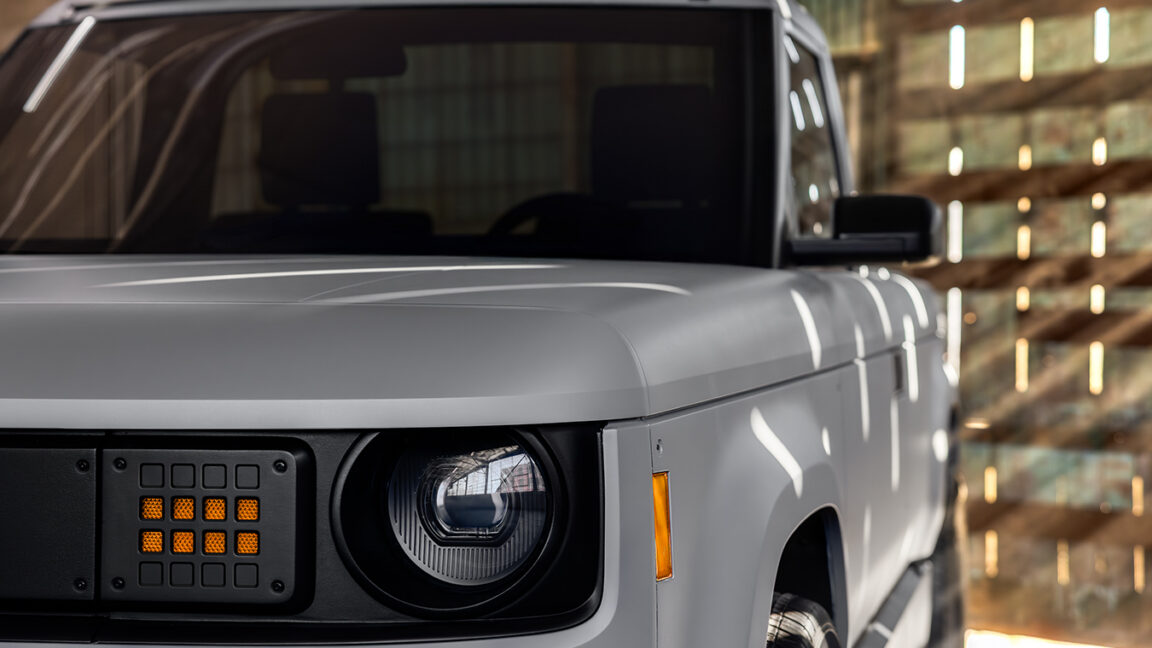
Slate Auto is redefining electric pickup design with a radical minimalist approach. Based in Warsaw, Indiana, the startup’s truck has just 600 parts and components, including a stripped-down interior with two seats and manually wound windows. Crucially, there’s no infotainment system—privacy is baked into the core experience. While a Slate smartphone app manages settings and charging info, it requires a local connection, eliminating remote access via an embedded modem. This deliberate choice underscores their commitment to data control. The company explicitly states it won’t sell user data, framing privacy as a product feature rather than a compliance checkbox. Roberto Baldwin’s report highlights Slate’s philosophy: data is collected only to enhance ownership, not monetize it. Customers get transparency about what’s shared, why it matters, and how it improves their experience. For a market saturated with connected cars, Slate’s approach is a stark contrast to traditional automakers’ data-driven models.
The startup’s design choices reflect a broader trend toward user-centric tech. By avoiding unnecessary sensors and connectivity features, Slate reduces potential data harvesting points. The app’s local-only functionality ensures data never leaves the car, aligning with growing consumer demand for control. This isn’t just about avoiding tracking; it’s about redefining what an EV should prioritize. Slate’s strategy could set a new standard for privacy in automotive tech. Their minimalist design also lowers costs, potentially making their truck more accessible. However, the lack of infotainment might alienate some buyers accustomed to digital interfaces. Critics could argue that extreme minimalism sacrifices convenience, but Slate’s focus on ownership over connectivity challenges conventional automotive norms. The company’s stance on data ethics is particularly noteworthy in an era of pervasive surveillance.
Slate Auto’s privacy-first model has clear implications for the industry. If successful, it could force competitors to reevaluate how they handle user data. The absence of an embedded modem is a bold move, but it requires users to interact with the app physically—a trade-off some may find inconvenient. Nonetheless, Slate’s transparency about data use builds trust in a sector often criticized for opaque practices. Their success hinges on balancing simplicity with functionality. While the truck’s bare-bones design appeals to privacy advocates, mainstream adoption may depend on proving that minimalism doesn’t mean sacrificing essential features. Slate’s approach isn’t just about avoiding data collection; it’s about creating a vehicle where privacy is an active advantage, not a passive promise. This could signal a shift in how automakers position themselves in the privacy-conscious market.
Source: Ars Technica · Summarized by HeadlinesBriefing