
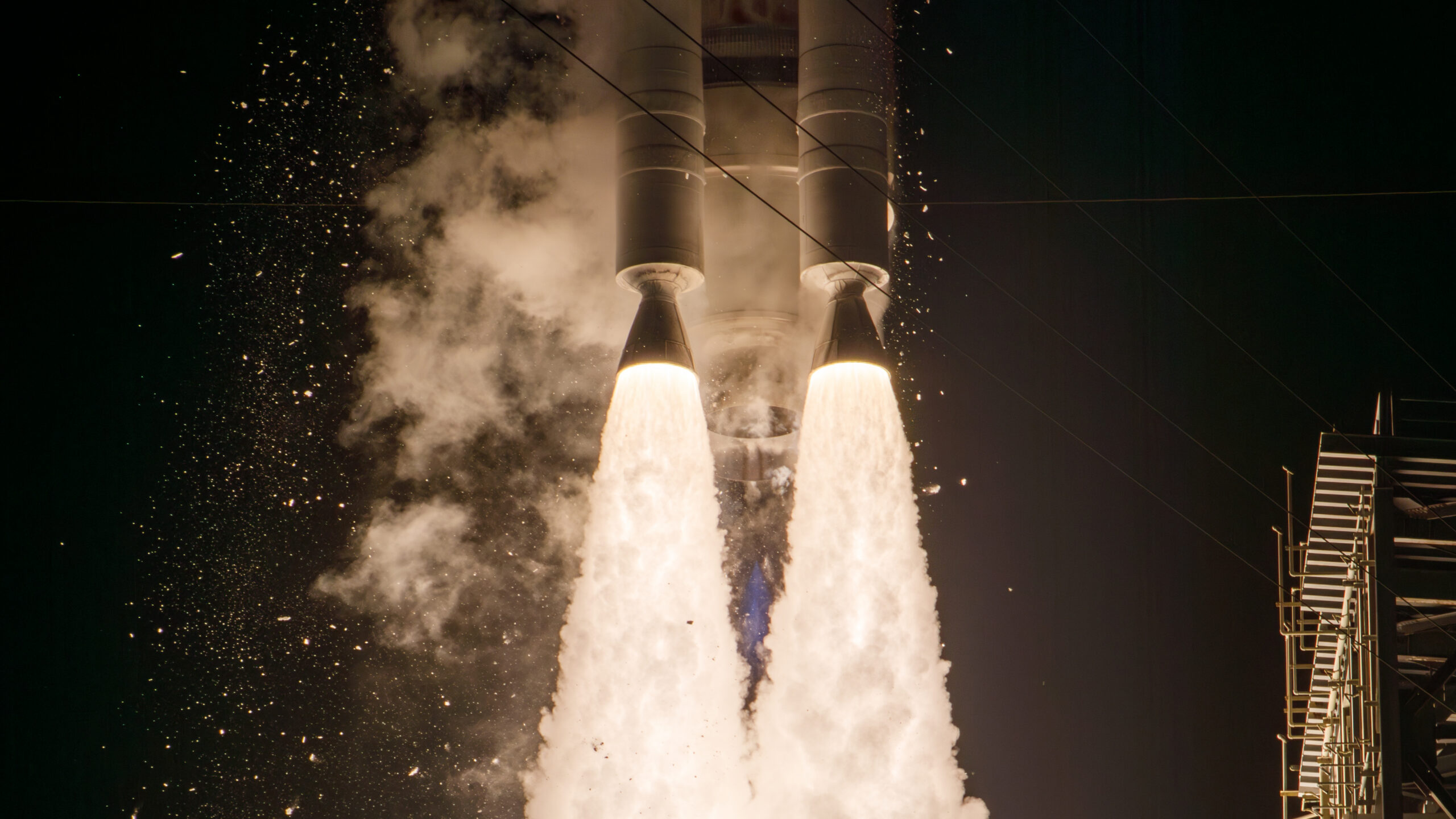
United Launch Alliance's Vulcan rocket appears close to launching. The company has set a no-earlier-than date of October 29 for the return-to-flight mission, an Amazon Leo flight, and another Amazon Leo mission is planned for later this year. If the solid rocket boosters perform as expected, Vulcan could see a major increase in launch cadence next year.
South Korea's Nuri rocket notched its fourth consecutive success during its fifth flight on Wednesday. The rocket deployed five satellites for the country's first domestically launched microsatellite constellation, and nine of its 10 CubeSat secondary payloads were released as planned. PERSAT-02, developed by startup Quaternion, failed to separate from the rocket. The success raised Nuri's overall launch success rate to 80 percent. Science Minister Bae Kyung-hoon pledged continued government support for private-sector launches as the country shifts toward a more commercially driven space industry.
German startup Hy Impulse has pushed the second flight of its SR75 suborbital rocket into spring 2027, after previously targeting the end of 2026. The company said the new date reflects remaining licensing activities and seasonal weather at Saxa Vord, not the vehicle's readiness. The flight will be the first from European soil and the first to carry commercial payloads.
Rocket Factory Augsburg has appointed Alexander Dahm as CEO, succeeding Indulis Kalnins. Dahm brings 30 years of aerospace experience, including work on the Ariane 5 program, and will oversee the company's path to the debut flight of the RFA ONE launch vehicle. RFA has been working toward its first orbital launch since losing a first stage during a 2024 static-fire test.
In other news, a SpaceX Falcon 9 launch planned for early Monday morning was scrubbed in the final minute of the countdown.
Source: Ars Technica · Summarized by HeadlinesBriefing