
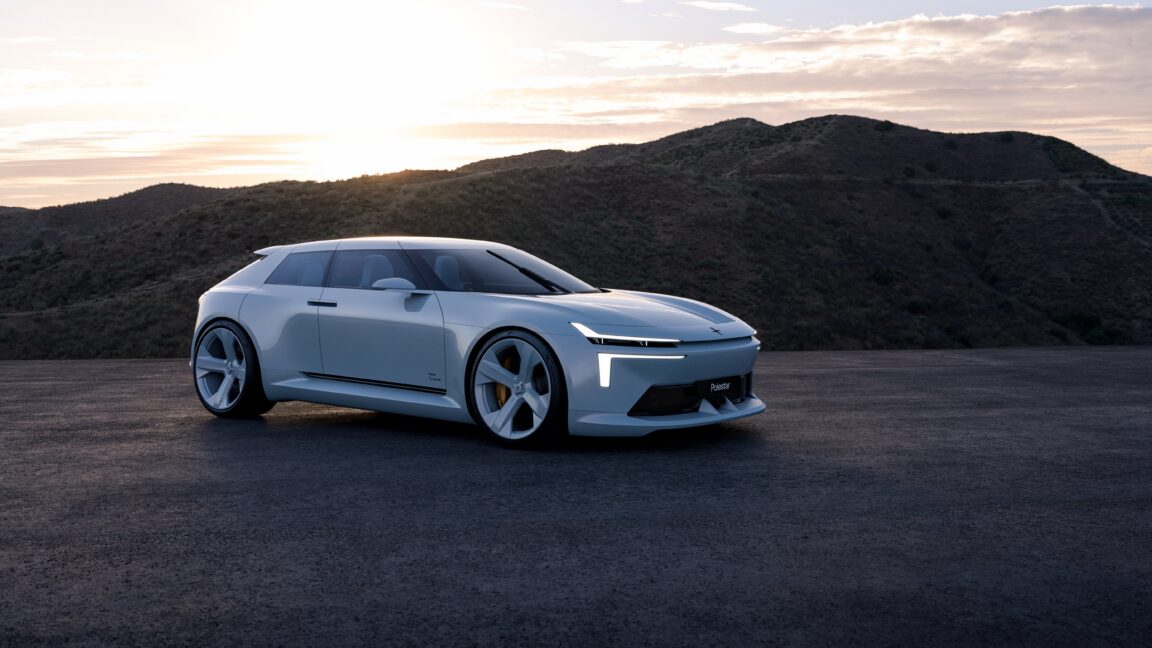
Polestar has unveiled its Formula 2030 concept, offering a bold preview of the brand’s future design language. The concept showcases Dual Blade headlights, a wraparound visor-like windshield, and Single Blade rear lights that are expected to appear on future production models. Head of exterior design Nahum Escobedo emphasized that the concept evolves Polestar’s core values while pushing boundaries in form and performance. The four-seat interior takes minimalism further without sacrificing functionality, incorporating physical controls like rocker switches and rotary dials for manual driving modes — a departure from fully digital interfaces. Despite its futuristic vision, the Formula 2030 also integrates sustainability: recyclable door interiors, low-emission steel chassis, and biocomposite materials replace traditional plastics. The concept reflects Polestar’s commitment to innovation, autonomy, and eco-conscious design.
Google Wallet has expanded its capabilities with support for Traveler QR, enabling overseas QR code payments via the latest Google Play Services update. This feature is particularly useful in regions with limited contactless infrastructure. Users can enable “Overseas QR payments” in Wallet settings when traveling. The system leverages the Alipay+ network, which operates in over 210 markets and connects 50 payment providers including Alipay, GCash, Touch ‘n Go, Kakao Pay, and OCBC Digital. Payments are accepted across retail stores, hotels, restaurants, attractions, and public transport in tourist-heavy areas. Traveler QR activates automatically in supported destinations, allowing seamless cross-border transactions through Google Wallet.
Source: Ars Technica · Summarized by HeadlinesBriefing