
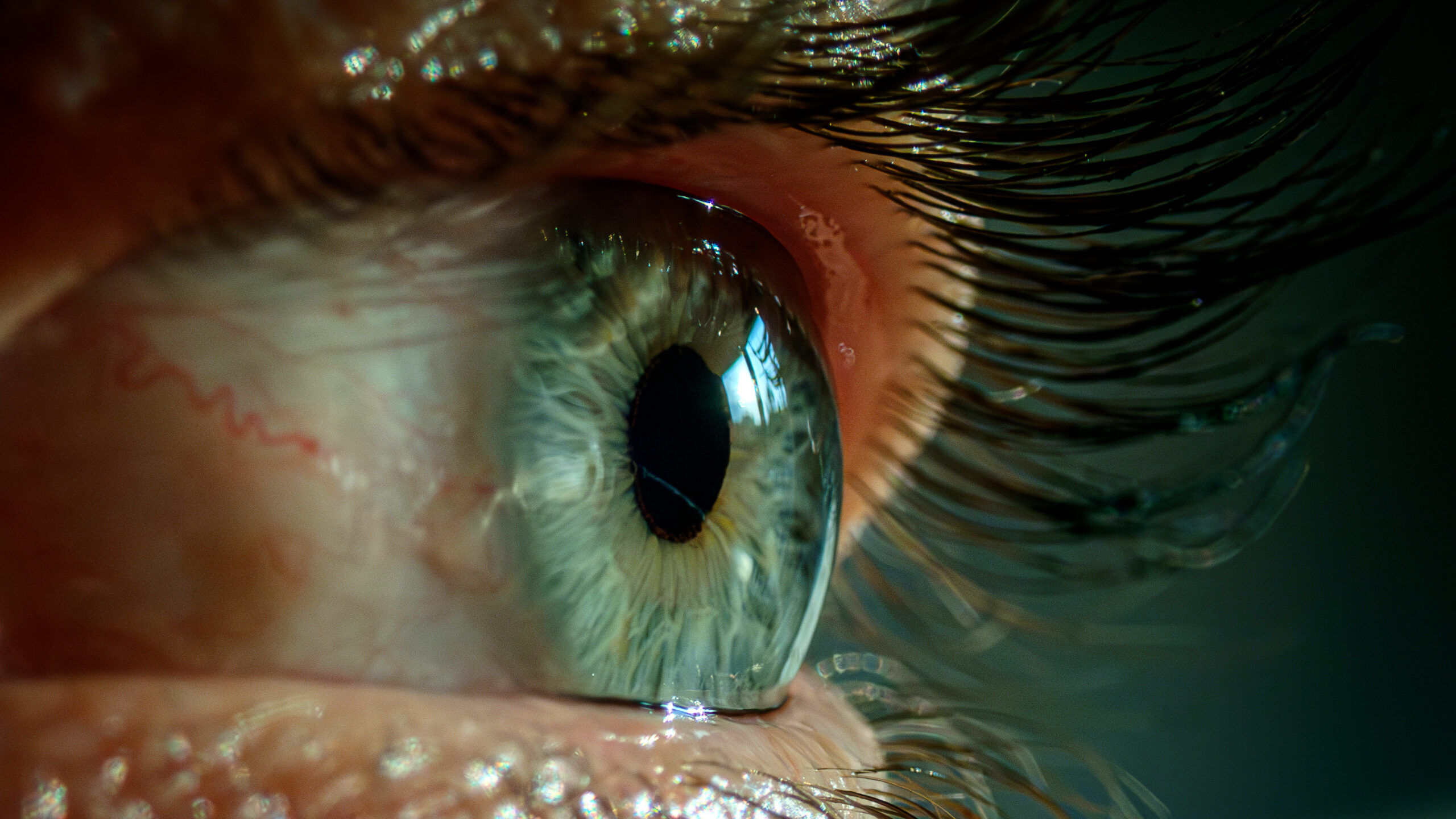
The Food and Drug Administration is warning that popular obesity and diabetes drugs, including Ozempic, Wegovy, Zepbound, and Mounjaro, may carry a "potential increased risk" of a rare eye condition that can lead to permanent vision loss. In a safety communication Monday, the FDA announced it will require makers of GLP-1 receptor agonist drugs to add warnings about non-arteritic anterior ischemic optic neuropathy (NAION) to their labels. NAION is caused by restricted blood flow to the optic nerve, leading to swelling and cell death.
While the condition is rare in the general population, occurring between two and 10 people per 100,000, the risk factors for developing NAION -- including diabetes, cardiovascular disease, high blood pressure, and high cholesterol -- are common among patients taking these medications. The FDA's warning follows a 2024 Harvard University study published in JAMA Ophthalmology. That research analyzed 710 diabetes patients and 979 overweight or obese patients, finding that those taking semaglutide (Ozempic/Wegovy) for 36 months had higher rates of NAION.
Among diabetes patients on semaglutide, 8.9 percent developed the condition, compared to 1.8 percent in non-GLP-1 groups. Similarly, 6.7 percent of overweight/obesity patients on GLP-1 drugs developed NAION, versus 0.8 percent in comparison groups. Researchers note the study had significant limitations, including a sample from a single referral center and higher-than-normal incidence rates, suggesting the results may not be generalizable to the broader population.
Source: Ars Technica · Summarized by HeadlinesBriefing