
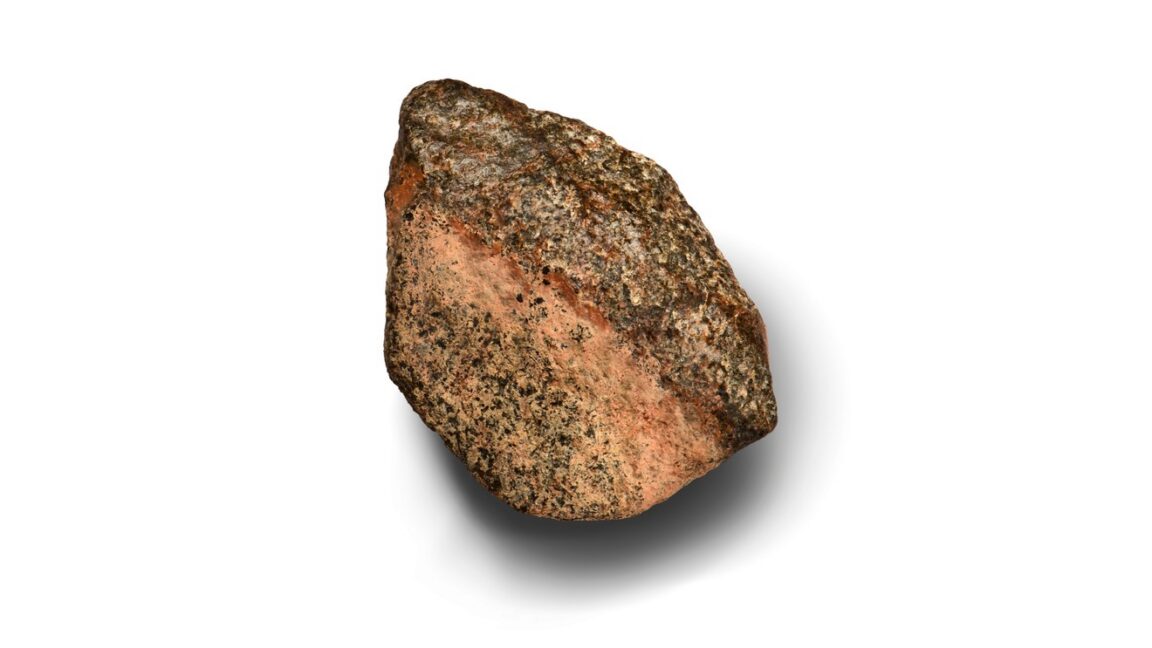
A newly discovered Martian meteorite called Teghaza 001, found in the Sahara Desert in Mali in 2022, provides a rare glimpse into Mars' ancient crust. Using oxygen isotope analysis at the University of New Mexico, planetary scientist Yang Liu and colleagues dated the rock to at least 4.1 billion years old—making it the third known genuinely ancient Martian meteorite after Allan Hills 84001 and Black Beauty. The team discovered that Teghaza 001 is a single intact igneous rock, unlike previous mixed samples, and its crystals grew slowly, indicating it solidified deep within the Martian crust rather than erupting.
Independent dating of zircon grains and phosphate minerals all confirm this age. The findings suggest that only large impacts can launch rocks from Mars, and even then, weak rocks often fail to survive the ejection process. This rare sample offers clues about Mars' early geological history and why our limited Martian meteorite collection may be biased toward surface samples rather than deep crustal rocks.
Source: Ars Technica · Summarized by HeadlinesBriefing